

Modern medicine is no longer only about curing disease. It is also about helping people move better, feel better, and look better after injury, illness, or surgery.
Today, doctors use advanced tools to restore both body function and aesthetics, so patients can return to normal life with confidence. Read on.
What Does “Function and Aesthetics” Mean?
Function means how the body works, such as walking, eating, talking, and moving. Aesthetics means how the body looks, including shape, facial appearance, smile, and skin condition. Good modern treatment aims to improve both at the same time so people can recover fully, not only physically but also emotionally.
Better Surgery With New Technology
Surgery today is much more advanced than before. Doctors now use robotic-assisted tools that allow more precise movements during operations. They also use 3D scans that show detailed images of the body before surgery.
In addition, many procedures now use smaller cuts through minimally invasive techniques. These improvements lead to less pain after surgery, faster healing, and better overall results in both function and appearance. For example, in reconstructive surgery, doctors can repair damaged body parts while keeping them as natural-looking as possible.
Modern Prosthetics and Artificial Limbs
Artificial arms and legs, also known as prosthetics, have improved a lot over time. Modern prosthetics are lighter and more comfortable to wear. They are also designed to move more naturally than older versions. Some advanced prosthetics can even be controlled by muscle signals or nerve activity from the user’s body.
In some cases, these devices provide sensory feedback that allows users to feel pressure or movement. This makes daily activities easier and more natural, while also giving the appearance of a realistic limb.
Healing the Body With Regenerative Medicine
Regenerative medicine focuses on helping the body heal and repair itself. Stem cell therapy is used to support the repair of damaged tissues. Platelet-rich plasma, or PRP therapy, uses parts of a patient’s own blood to speed up healing. Scientists are also developing lab-grown tissues that can be used to replace damaged or missing body parts.
These treatments are especially helpful for skin damage, joint injuries, burns, and tissue loss. They help restore both normal body function and natural appearance.
Dental and Facial Improvements
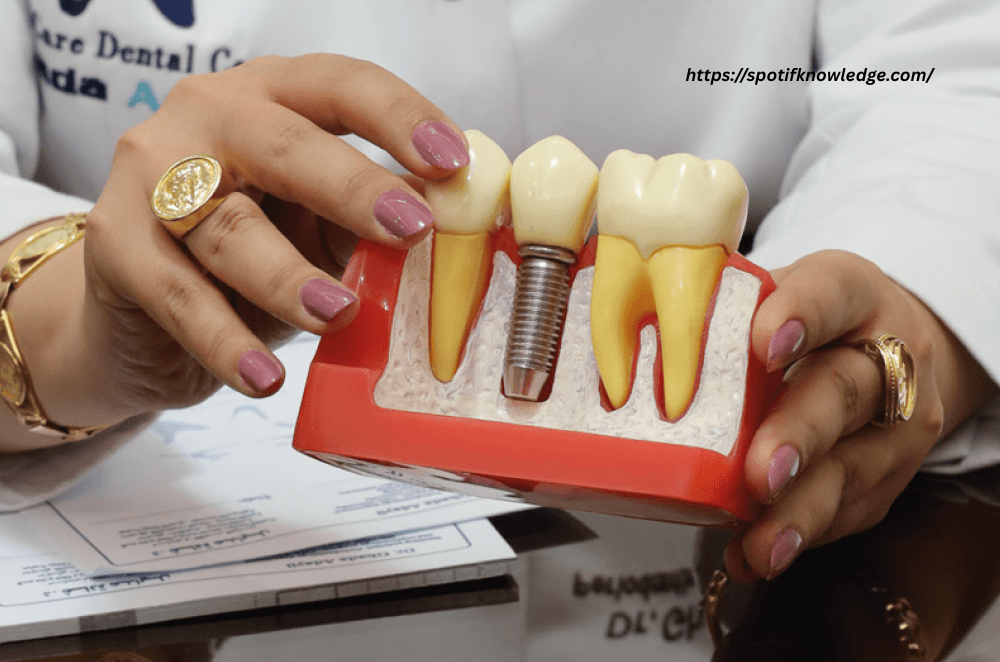
Dentistry has also improved significantly in recent years. Dental implants are now commonly used to replace missing teeth with strong and natural-looking results. 3D-printed crowns and bridges allow for more precise and custom-made dental restoration. Digital smile design is also used to plan and improve the appearance of a person’s smile.
Facial reconstruction has become more accurate as well. Doctors now use computer planning to guide surgeries and ensure that facial features look balanced and natural after treatment.
These improvements help people eat and speak properly again while also restoring confidence in their appearance. For more information, it’s better to consult experts, of whom Dr. Cooper is one.
Faster Recovery With New Rehab Tools
Recovery after injury or surgery is now supported by advanced technology. Virtual reality therapy is used to help patients practice movement in a controlled digital environment.
Smart sensors can track how a person moves their body and provide useful data for improvement. AI-based physiotherapy programs also create personalized exercise plans based on the patient’s progress.
A Better Future for Healing
Medical science is moving toward more personalized care, where treatments are designed specifically for each patient’s needs. With today’s advanced solutions, restoring function and aesthetics is becoming safer, more effective, and more natural than ever before.
If you want to read more articles, visit our blog.
