

Many people focus on workouts but forget about recovery. Recovery is just as important as exercise because it helps the body repair and grow stronger. Without proper recovery, muscles can stay tight, sore, and tired.
If you want to improve your workouts and help your body feel better each day, foam rolling may be a great addition to your routine. Keep reading to learn how foam rolling can support recovery and boost daily fitness performance.
What Is Foam Rolling?
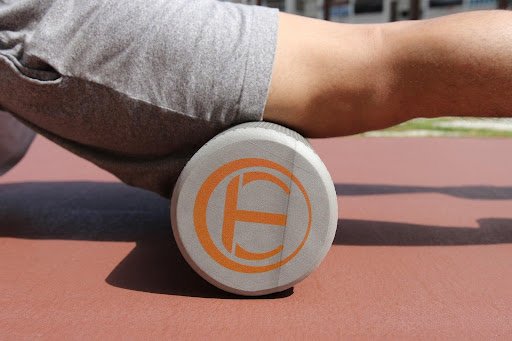
Foam rolling is a self-massage technique that uses a firm foam cylinder. People place the roller under a muscle and move their body slowly across it. This process applies pressure to muscles and connective tissue. The pressure helps release tight areas and improve muscle function.
Foam rolling works like a deep tissue massage. It allows people to target sore spots and improve flexibility without needing a therapist. Because it is simple and affordable, foam rolling has become a common part of fitness routines around the world.
Helping Muscles Recover After Exercise
After intense workouts, muscles can feel tight and sore. This soreness often happens because of small tears in muscle fibers and the buildup of tension. Foam rolling can help ease that discomfort. The pressure from the roller relaxes tight muscles and helps reduce stiffness.
Improving Flexibility and Range of Motion
Flexibility plays an important role in movement. Tight muscles can limit how far joints can move and may increase the risk of injury. Foam rolling helps improve flexibility by loosening tight muscle fibers and fascia. This allows muscles to move more freely.
Boosting Athletic Performance
Athletes often look for ways to improve performance. Foam rolling can support better training by preparing muscles for movement. Rolling before exercise may help increase blood flow to muscles. This helps warm the body and prepares it for activity.
Supporting Daily Fitness and Movement
Foam rolling is not only for athletes. It can help anyone who wants to stay active and reduce daily muscle tension. People who sit for long hours often develop tight hips, backs, or shoulders. Foam rolling can help relieve these areas.
Using a foam roller for a few minutes each day helps maintain muscle elasticity and joint mobility. This improves functional fitness and makes everyday activities easier. Simple movements like bending, lifting, or walking can feel smoother when muscles stay loose and healthy.
Learning Proper Foam Rolling Techniques
While foam rolling is simple, proper technique makes a difference. Rolling slowly and focusing on tight areas helps produce better results. It is also important to avoid rolling over bones or joints. Instead, the pressure should focus on muscle groups.
Fitness professionals can improve their recovery knowledge and coaching skills through training programs such as https://www.americansportandfitness.com/products/foam-rolling-certification, which teach proper foam rolling techniques and myofascial release methods. Learning correct techniques helps people use foam rollers safely and effectively. Professional guidance can teach proper pressure, body position, and timing for the best results.
A Simple Tool for Better Recovery
Foam rolling is a simple yet powerful recovery method. It helps relax muscles, improve flexibility, and support daily movement. When used regularly, foam rolling can make workouts feel smoother and reduce muscle stiffness after exercise. It also encourages better mobility and body awareness.
Whether you are an athlete or someone who enjoys regular workouts, adding foam rolling to your routine can help your body recover and perform better. Small habits like this can make a big difference in long-term fitness and overall wellness.
Expand your knowledge and check out more posts on our blog!
