

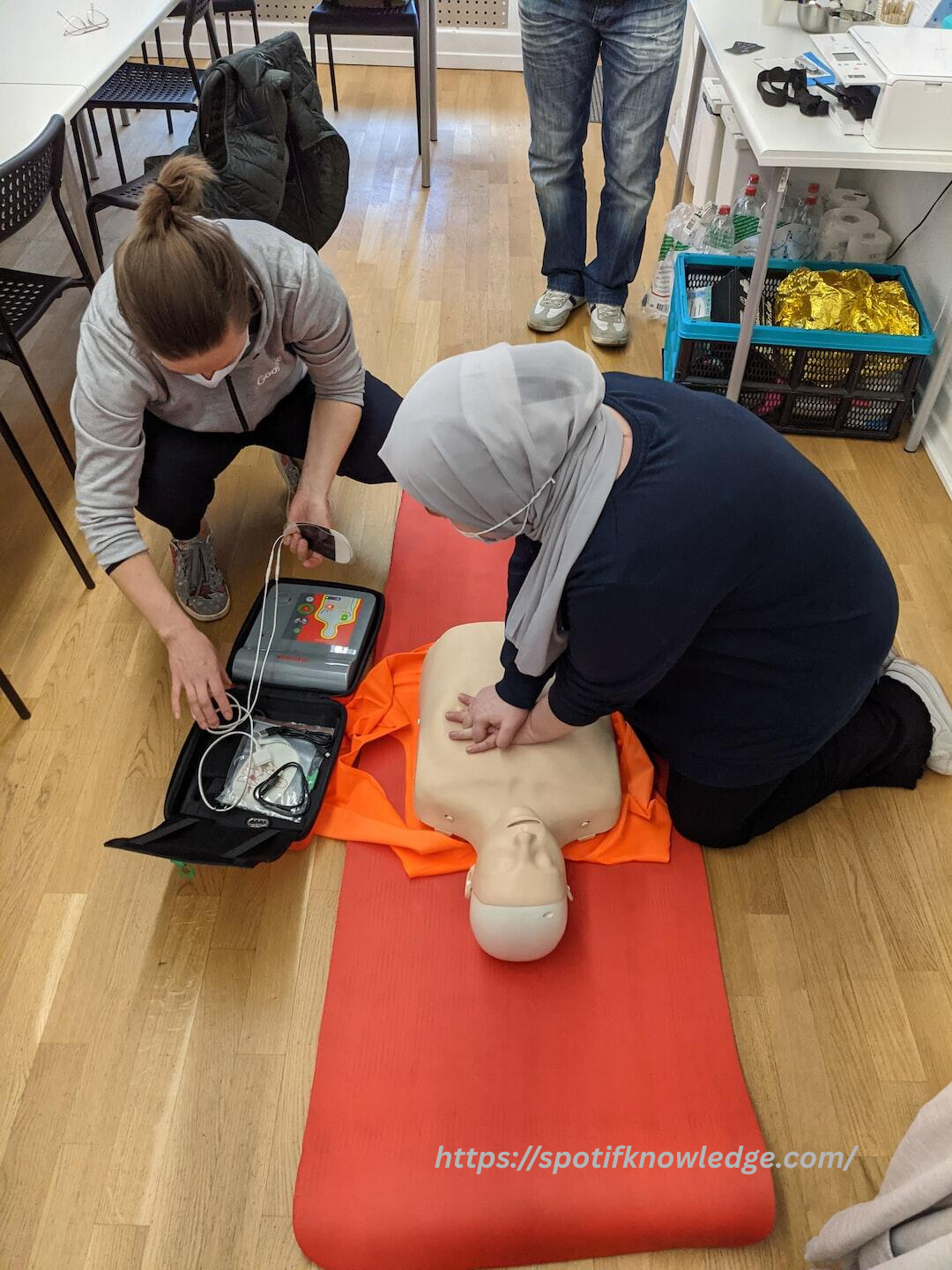
Time is a crucial factor when it comes to saving lives during a medical emergency, particularly in cases of cardiac arrest. Sudden cardiac arrest can strike anyone at any time, and immediate action is essential. This is where CPR (Cardiopulmonary Resuscitation) comes into play.
Knowing how to perform CPR can greatly increase the chances of survival for a person whose heart has suddenly stopped beating. In this piece, we’ll explore the science behind CPR and understand why every second matters when it comes to saving lives.
What is CPR, and why is it Important?
CPR stands for Cardiopulmonary Resuscitation. It is a lifesaving technique used to help someone who is not breathing or whose heart has stopped beating. This method combines chest compressions and rescue breaths to pump blood and provide oxygen to the brain and other vital organs.
The Science Behind CPR
Understanding the physiology of the human body helps explain why CPR is so vital. Our bodies need oxygen to function, and the brain is extremely sensitive to the lack of it.
After just four to six minutes without oxygen, brain cells start to die. CPR maintains blood circulation and keeps oxygen flowing to the brain during those critical moments before professional medical help arrives.
Two Components: Compressions and Breaths
CPR consists of two main actions: chest compressions and rescue breaths. Chest compressions are essential as they help maintain blood flow to the heart and brain. When a person’s heart stops, it cannot pump blood on its own.
By pushing down on the person’s chest at a steady rate, you can mimic the heart’s pumping action. Rescuers are encouraged to push hard and fast, at least 2 inches deep and at a rate of 100 to 120 compressions per minute.
The second part of CPR is providing breaths to ensure the person is receiving some oxygen. Breathing for the victim can help introduce oxygen into their lungs. However, it’s important to know that if you are unsure about giving rescue breaths, you can perform Hands-Only CPR, which consists of only chest compressions.
Recognizing When to Perform CPR
Knowing when to start CPR can save precious seconds. If you see someone collapse, first check to see if they are conscious and breathing. If they are not breathing or only gasping, call 911 immediately.
Remember, acting quickly is the key! Each moment that passes without CPR increases the difficulty for medical responders and lowers the chances of survival.
Training and Resources
Gaining knowledge and practical training in CPR is essential for everyone, particularly those in high-risk professions or environments. Many organizations offer CPR training, making it accessible for everyone.
To get started, consider looking for courses in your local area or online. For instance, MyCPR NOW’s CPR/First Aid is a resource that provides comprehensive training and prepares you to act in emergencies effectively.
The Power of Community Awareness
Community awareness is vital for the success of CPR initiatives. When more individuals are trained in CPR, the overall safety of the community increases.
Schools, workplaces, and public spaces can benefit greatly by organizing regular first aid and CPR training. When people in a community know how to respond in emergencies, it contributes to a collective safety net that can help save lives.
Every Second Counts
Understanding CPR and its importance can empower individuals and communities to act decisively in emergencies. With the knowledge of basic techniques, you can help save lives and make a difference. Remember, every second counts during a medical crisis.
Check our website for more.
