

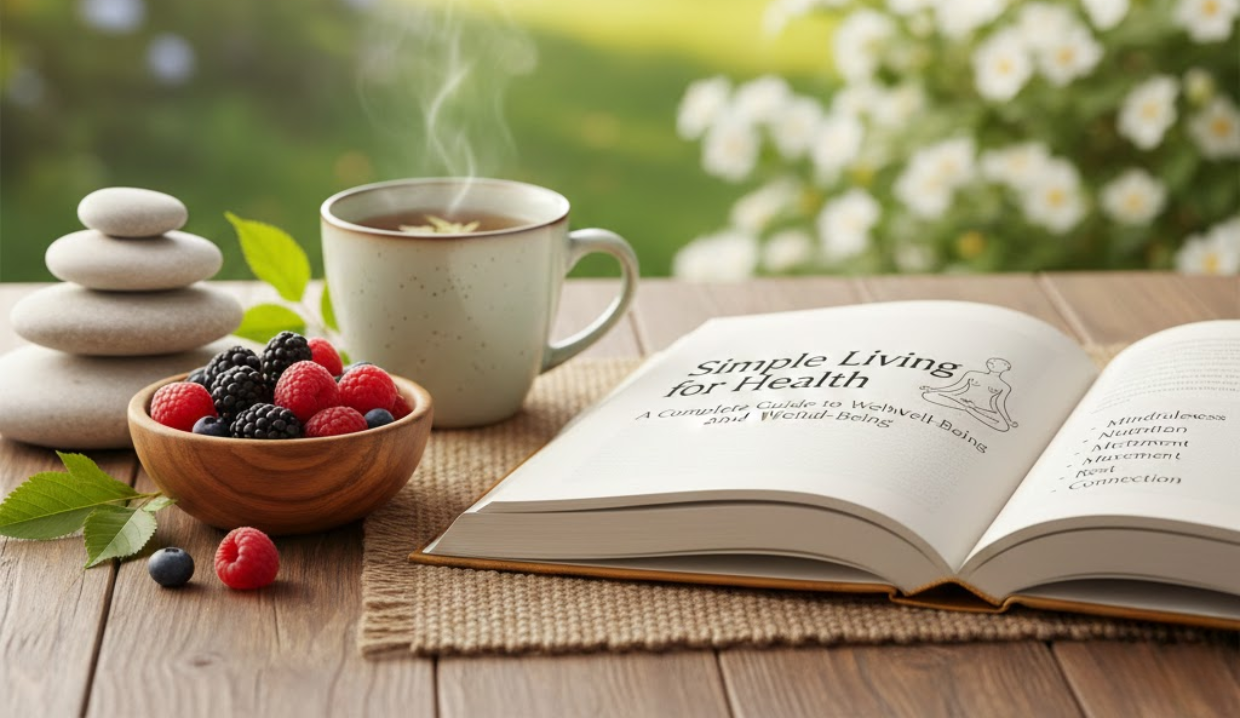
Living a simpler life is more than a trend—it’s a conscious lifestyle choice that directly impacts health, well-being, and happiness. Simple living focuses on reducing excess, prioritizing essential needs, and fostering intentional habits. This approach is increasingly recognized in the USA for its benefits in stress reduction, mental clarity, nutrition, and overall physical health.
Whether you are a busy professional, a parent managing daily routines, or someone seeking a balanced lifestyle, adopting simple living strategies can transform your health and daily experience.
What Is Simple Living and Why It Matters
Simple living is the intentional act of minimizing clutter, complexity, and distractions in life to focus on meaningful activities, relationships, and self-care. Its core is not just minimalism, but creating space for better health—mental, physical, and emotional.
Why it matters:
- Reduces stress: Fewer possessions and obligations lead to less mental overload.
- Improves sleep quality: A decluttered environment and simplified routines enhance rest.
- Enhances nutrition: Mindful eating and simplified meal planning support physical health.
- Boosts focus and productivity: Fewer distractions allow for more intentional living.
Simple living is suitable for anyone seeking better health outcomes, particularly in high-stress environments like urban areas of the USA, and can be adapted to all ages and lifestyles.
Core Health Benefits of Simple Living
1. Mental Health Benefits
- Reduced anxiety and stress: Cluttered spaces and busy schedules often trigger chronic stress. Simplifying life can calm the mind and improve emotional balance.
- Enhanced focus and clarity: Decluttering and prioritizing tasks frees cognitive resources, supporting better decision-making and mental clarity.
- Mindfulness and intentional living: Slowing down and focusing on what truly matters reduces mental fatigue.
2. Physical Health Benefits
- Improved sleep quality: Structured routines and less environmental chaos promote restorative sleep.
- Increased energy levels: Streamlined habits, nutritious meals, and physical activity reduce fatigue.
- Lower risk of chronic disease: Stress reduction and mindful nutrition improve cardiovascular and metabolic health.
3. Nutritional Benefits
- Whole living: Simple eating habits emphasize whole foods, seasonal produce, and home-cooked meals.
- Mindful eating practices: Eating slowly, reducing distractions, and focusing on hunger cues improve digestion and satisfaction.
- Cost-effective nutrition: Simplifying meals often reduces unnecessary processed food consumption and lowers grocery expenses.
How Simple Living Improves Health: The Mechanisms
1. Psychological pathways: Reducing clutter and unnecessary commitments lowers cortisol, the stress hormone, which is linked to anxiety, sleep disruption, and chronic disease.
2. Behavioral pathways: Habit formation, mindful routines, and decluttered spaces make healthy behaviors easier to maintain.
3. Physiological pathways: Consistent sleep, nutrition, and movement improve immune function, cardiovascular health, and energy metabolism.
How to Start Simple Living for Health
Adopting a simpler lifestyle involves practical, step-by-step actions.
Step 1: Declutter Your Environment
- Remove unused items from home and workspace.
- Organize essentials with functional storage.
- Maintain a weekly “reset” routine.
Step 2: Simplify Your Diet
- Plan meals with whole foods.
- Reduce processed snacks and sugary beverages.
- Focus on balanced nutrition: protein, fiber, and healthy fats.
Step 3: Optimize Daily Routines
- Limit multitasking; schedule focused work and breaks.
- Prioritize sleep hygiene with consistent sleep/wake times.
- Include daily movement: walking, yoga, or home exercises.
Also read: A Useful Feature of Group Therapy Is That It Builds Shared Support and Lasting Personal Change.
Step 4: Adopt Mindful Practices
- Practice meditation or breathing exercises.
- Engage in intentional reflection or journaling.
- Reduce screen time and digital distractions.
Step 5: Use Tools and Resources
- Habit trackers to monitor progress.
- Meal planning apps or journals.
- Minimalist wellness guides or local workshops.
- Community resources such as farmers’ markets, meditation centers, or wellness retreats across the USA.
Simple Living vs Minimalism vs Wellness Culture
| Reduces stress, improves nutrition,n and sleep | Focus | Health Impact | Key Example |
|---|---|---|---|
| Simple Living | Intentional lifestyle simplification | Reduces stress, improves nutrition and sleep | Declutter home, simplify meals |
| Minimalism | Owning fewer possessions | Lowers anxiety, improves focus | Capsule wardrobe, minimal home décor |
| Wellness Culture | Holistic health trends | Enhances well-being, often commercialized | Fitness classes, detox programs |
While all approaches promote well-being, simple living emphasizes practical, sustainable changes integrated into daily life.
Practical Examples and Local USA Resources
- Wellness workshops near me: Cities like New York, San Francisco, and Chicago host simple living and mindfulness classes.
- Farmers’ markets USA: Focus on fresh produce and seasonal items for nutritional simplicity.
- Meditation centers and yoga studios: Reduce stress and enhance mental clarity.
- Minimalist wellness retreats: Locations in the Pacific Northwest and Colorado provide immersive experiences.
Common Mistakes in Adopting Simple Living
- Overcomplicating simplicity: Trying to change everything at once can lead to overwhelm.
- Ignoring mental aspects: Physical decluttering without addressing mindset limits benefits.
- Neglecting social connections: Simple living should enhance, not isolate, relationships.
- Skipping gradual implementation: Incremental steps are more sustainable.
Tools and Techniques
- KonMari Method: Structured decluttering for home and workspace.
- Habit tracking apps: Track progress on nutrition, sleep, and movement.
- Mindful eating techniques: Focus on portion control and slow eating.
- Sleep hygiene practices: Limit screens, maintain consistent sleep schedules, and create calm bedrooms.
Pros and Cons
Pros:
- Reduced stress and anxiety
- Improved sleep and energy
- Better nutrition habits
- Cost-effective lifestyle
- Enhanced focus and productivity
Cons:
- Initial effort required for decluttering
- Adjustments to routines may feel uncomfortable
- Minimalism confusion may deter some individuals
Step-by-Step Decision Framework
Step 1: Identify priorities: mental clarity, physical health, or nutrition.
Step 2: Audit current lifestyle: environment, diet, routine.
Step 3: Set achievable goals: declutter one room, simplify meals, or implement one micro-habit.
Step 4: Track progress and adjust.
Step 5: Expand changes gradually across lifestyle areas.
Local and “Near Me” Considerations in the USA
- Search for simple living workshops near me or healthy living classes near me.
- Explore urban nature walks and meditation centers.
- Check for nutrition counseling or minimalist wellness retreats in your state.
FAQS
What are the health benefits of simple living?
It reduces stress, improves sleep, supports nutrition, enhances focus, and boosts overall well-being.
How does simple living reduce stress?
By decluttering your environment and minimizing distractions, your mind can focus on meaningful activities.
Can simple living help longevity?
Yes, through stress reduction, better sleep, and healthy habits, simple living can contribute to a longer, healthier life.
What simple nutrition tips help health?
Focus on whole foods, seasonal produce, mindful eating, and balanced meals.
Does simplicity cost more or less?
Generally, less, as simple living emphasizes using fewer resources, reducing waste, and focusing on essentials.
Conclusion
Simple living for health is a practical, evidence-based lifestyle approach that improves mental, physical, and nutritional well-being. By reducing clutter, focusing on essential habits, and incorporating mindful routines, anyone in the USA can adopt a healthier, more intentional lifestyle. Start small, use local resources, and build step-by-step practices to transform your health sustainably.
