

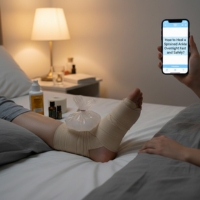
A sprained ankle has a way of stopping life instantly. One wrong step, a sudden twist, and now there’s swelling, pain, and the urgent question: how to heal a sprained ankle overnight. While no ligament can magically repair itself in a few hours, the right nighttime strategy can dramatically reduce swelling, calm inflammation, ease pain, and set the stage for faster recovery by morning.
This guide explains what overnight healing really means, what happens inside your ankle while you sleep, and the exact steps that give you the best possible results by the time you wake up.
What a Sprained Ankle Really Is (And Why Night Care Matters)
A sprained ankle occurs when one or more ligaments—most often the anterior talofibular ligament (ATFL) or calcaneofibular ligament (CFL)—are overstretched or torn. This causes micro-tears in soft tissue, triggering inflammation, swelling (edema), and pain.
Key point: Overnight care doesn’t “heal” torn ligaments, but it does control the inflammation cascade, improve blood circulation, and support tissue repair processes that occur during deep sleep.
Degrees of Ankle Sprains
- Grade 1: Mild stretching, minimal swelling
- Grade 2: Partial tear, noticeable swelling, nd bruising
- Grade 3: Complete tear, instability, severe pain
Overnight improvement is most noticeable with Grade 1 and mild Grade 2 sprains.
What Happens to a Sprained Ankle While You Sleep
Sleep isn’t passive. It’s when your body shifts into repair mode.
Inflammation Cycles at Night
At night, blood flow slows, and fluid can pool in injured tissue. That’s why ankle pain often feels worse at night. Without proper elevation and compression, swelling increases, putting pressure on nerves and limiting oxygen delivery.
Ligament Repair During Deep Sleep
During deep sleep and REM cycles:
- Growth hormone release increases
- Tissue oxygenation improves
- Micro-circulation supports soft tissue repair
- The lymphatic system drains excess fluid
Your goal overnight is to optimize these natural processes, not fight them.
What “Overnight Healing” Really Means
Overnight improvement typically includes:
- Reduced swelling
- Less stiffness in the morning
- Decreased pain at rest
- Better range of motion
What it does not include:
- Full ligament regeneration
- Immediate return to sports
- Structural healing of severe tears
Think of overnight care as resetting inflammation, not finishing recovery.
Also read: 7 Natural Menopause Treatments That Really Work
Exact Night-Time Steps Before Bed (Step-by-Step)
1. Cold Therapy: Timing Matters
Cold therapy helps control inflammation and nerve irritation, but timing is critical.
How to ice correctly:
- Apply an ice pack for 15–20 minutes
- Remove for at least 40 minutes
- Repeat once more if swelling is severe
- Stop icing 60–90 minutes before sleep
Why stop early? Prolonged cold reduces blood flow when your body needs circulation for tissue repair.
2. Compression Without Cutting Circulation
Compression supports ankle stability and limits edema, but overnight compression must be gentle.
Best options:
- Elastic ankle bandage (light to moderate tension)
- A compression wrap that allows toe movement
Avoid:
- Tight wraps
- Numbness or tingling
- Sleeping in rigid braces unless prescribed
A common mistake is over-compression, which blocks lymphatic drainage instead of helping it.
3. Proper Elevation for Swelling Reduction
Elevation works by using gravity to assist fluid return through the lymphatic system.
Correct elevation angle:
- Ankle above heart level
- Calf supported, heel free
- Use pillows or a dedicated elevation pillow
This position reduces overnight edema redistribution and morning stiffness.
Best Sleeping Positions for Faster Ankle Recovery
Back Sleeping (Best Option)
- Keeps ankle neutral
- Allows consistent elevation
- Minimizes micro-movement damage overnight
Side Sleeping (If Necessary)
- Injured ankle on top
- Pillow between legs
- Ankle supported to prevent inward rolling
Avoid stomach sleeping. It forces plantar flexion and stresses the ankle joint capsule.
Why Ankle Pain Often Feels Worse at Night
Many people notice increased pain at night due to:
- Reduced distractions
- Slower blood circulation
- Inflammation rebound
- Nerve sensitivity
Proper overnight positioning and compression directly reduce this effect.
How to Reduce Swelling and Pain Overnight
Lymphatic Drainage Positioning
Gentle elevation combined with light compression encourages lymphatic drainage, clearing inflammatory fluid from ankle tissues.
Avoiding Rebound Inflammation
Do not:
- Ice continuously overnight
- Sleep with heat applied
- Leave the ankle unsupported
These trigger inflammation rebound, leading to worse morning symptoms.
Heat vs Ice Before Bed: What’s Better?
| Situation | Ice | Heat |
|---|---|---|
| Acute swelling | Yes | No |
| First 48 hours | Yes | No |
| Muscle stiffness without swelling | Sometimes | Yes |
| Night-time inflammation | Short-term | Avoid |
For acute ankle sprains, ice wins, but only before bed—not during sleep.
What NOT to Do Overnight
Common Mistakes That Delay Healing
- Wrapping the ankle too tightly
- Sleeping without elevation
- Letting the ankle hang off the bed
- Ignoring worsening pain or numbness
- Taking unnecessary NSAIDs without guidance
These errors interfere with blood flow, tissue oxygenation, and nerve recovery.
What to Expect When You Wake Up
Normal Morning Symptoms
- Mild stiffness
- Reduced swelling compared to the night
- Some soreness with first steps
Concerning Signs
- Sharp pain with weight bearing
- Increased bruising
- Numbness or tingling
- Instability or giving way
If symptoms worsen overnight, reassess compression and elevation.
Morning After: First Steps Matter
When you get out of bed:
- Sit upright for 1–2 minutes
- Gently move the ankle in circles
- Stand slowly with support
- Avoid sudden twisting movements
This prevents rapid fluid shift and nerve irritation.
When Overnight Care Is Not Enough
Seek medical evaluation if:
- Swelling doesn’t improve after 48 hours
- You can’t bear weight
- Pain increases instead of decreases
- There’s a visible deformity
- You hear or feel a “pop” at the injury
These may indicate a Grade 3 sprain or fracture.
How Sleep Quality Affects Ankle Healing
Deep sleep improves:
- Ligament micro-repair
- Inflammation control
- Tissue oxygen delivery
Poor sleep delays recovery. Dark rooms, consistent bedtime, and minimizing ankle discomfort improve healing speed.
Myths About Healing a Sprained Ankle Overnight
- Myth: Tight compression heals faster
Truth: It often slows lymphatic drainage. - Myth: Ice all night reduces swelling
Truth: It reduces the circulation needed for repair. - Myth: Pain-free morning means healed
Truth: Ligaments still need protection.
Key Takeaways: How to Heal a Sprained Ankle Overnight
- Overnight care reduces swelling, not structural damage
- Elevation and light compression are essential
- Ice is helpful only before sleep, not during
- Sleeping position directly affects inflammation
- Morning improvement is a sign of progress, not full healing
When done correctly, overnight care can make a noticeable difference in pain, swelling, and mobility—giving your ankle the best possible start toward full recovery.
