

Key Takeaways
- Dental benefits foster employee retention, satisfaction, and health.
- Small businesses often face financial, administrative, and plan-selection challenges.
- Flexible plan options, partnerships, HSAs, and technology provide practical solutions.
Providing dental benefits may seem daunting for small businesses, but ensuring employees have access to dental care is an essential driver of workplace satisfaction and wellness. With quality dental coverage, small business owners demonstrate a tangible commitment to their team’s health and well-being, while also boosting their company’s appeal to prospective hires. Exploring options such as small business dental insurance can offer practical, manageable ways forward, even for organizations with limited resources.
Despite the recognized advantages, small business owners commonly face hurdles related to affordability, plan selection, and administrative demands. Fortunately, several strategic approaches make dental benefits accessible and sustainable. We examine what those are and how they can make a real difference for both business owners and employees.
The Importance of Dental Benefits
Oral health is closely linked to general health outcomes. Employees who have access to preventive dental care experience fewer dental emergencies and are less likely to face major health complications, such as cardiovascular conditions related to untreated gum disease. Offering dental benefits also improves job satisfaction and staff loyalty, according to research compiled by the Forbes Health editorial team. As small businesses seek to stay competitive in hiring and retention, a robust dental plan is no longer optional in today’s labor market.
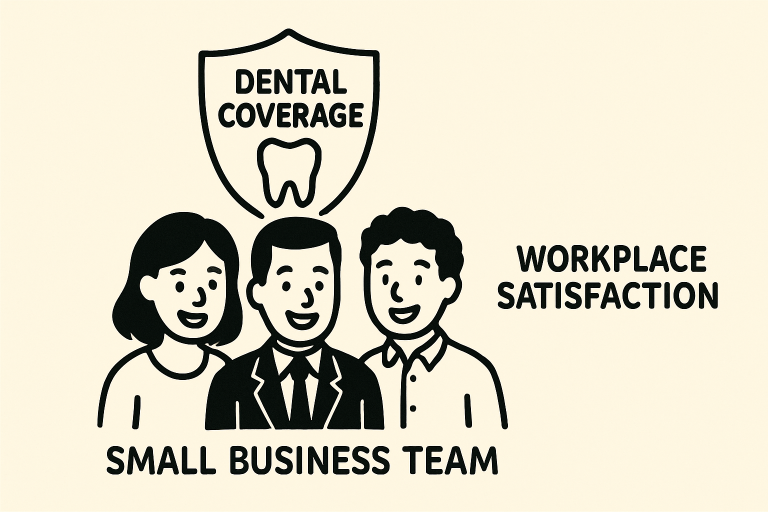
In addition to supporting employee health, dental coverage serves as a recruitment tool that helps level the playing field with larger organizations. Job seekers consistently cite health-related benefits as a top consideration, making dental plans a wise investment in talent acquisition.
Common Challenges in Providing Dental Benefits
1. Financial Constraints
Small businesses working with limited budgets struggle to shoulder the rising costs of healthcare. Adding dental coverage to the mix can seem financially out of reach, especially when compared to the broader resources of larger companies. Balancing cost with meaningful coverage is a constant challenge.
2. Limited Plan Options
Healthcare providers often reserve their most flexible or robust benefit packages for larger companies with more employees. This leaves small businesses with fewer plan choices and sometimes less value for their investment.
3. Administrative Burden
Juggling benefit communications, plan selection, and ongoing administration is demanding, particularly in small organizations where HR departments may not exist. Keeping track of eligibility, enrollments, and claims can quickly eat up a small team’s time and resources.
Solutions to Overcome These Challenges
1. Explore Cost-Effective Plan Options
Dental discount plans, voluntary employee-paid benefits, and tiered coverage models all help control costs. These plans let employees choose what’s most relevant to their needs and budgets, without forcing employers to commit to expensive, one-size-fits-all coverage.
2. Partner with Professional Associations
Industry associations or local chambers of commerce often negotiate group benefit packages that provide small businesses with access to affordable dental coverage. Membership in these organizations expands your purchasing power, enabling per-employee costs to be more in line with those available to large companies. According to the Society for Human Resource Management, leveraging association-sponsored plans can be highly effective.
3. Utilize Health Savings Accounts (HSAs)
Health Savings Accounts enable employees to save pre-tax income for dental expenses, supplementing their coverage while reducing taxable income. These accounts provide flexibility for routine care, orthodontics, and emergency dental needs, and ease the financial burden on both the employer and the employee.
4. Leverage Technology for Administration
Digital benefits platforms can streamline plan enrollment, facilitate employee communication, and track dental plan utilization. Automation reduces errors and frees up time so that small business owners and managers can focus on high-priority operations rather than paperwork.
Real-Life Example
A software development startup with just eight employees struggled with dental benefit costs until it partnered with a regional technology association. Through this partnership, they gained access to a competitively priced, pooled dental plan. They supplemented it with an HSA, allowing employees further control over their healthcare expenses. After making these changes, employee feedback surveys reported improved job satisfaction and workplace morale, while the company also benefited from increased recruitment interest and employee retention.
Another illustrative example comes from a local retail boutique that initially believed dental benefits were out of reach due to financial constraints. By working with a trusted broker to investigate dental discount plans and joining a trade association, the boutique was able to offer affordable group coverage with flexible enrollment options. This allowed their employees, many of whom worked part-time, to access basic care and preventive treatments they previously neglected. Management noticed a decrease in sick time due to dental pain or emergencies, resulting in improved schedule reliability and productivity across the team. Employees expressed gratitude for the added benefit and recognized it as a valuable part of their total compensation, thereby cultivating greater loyalty and engagement.
For some businesses, reimagining benefits through periodic employee surveys can reveal new opportunities. Soliciting honest feedback on dental needs and preferences helps employers better meet employees’ real priorities. Whether adding cosmetic service discounts, rolling out mobile-friendly administrative portals, or providing educational resources on oral hygiene, incremental changes make a significant impact over time. Engaged, healthy employees are more likely to be energized and committed at work, which contributes to overall organizational success.
Conclusion
While small businesses face several obstacles in offering dental benefits, a combination of cost-effective plan structures, association partnerships, HSAs, and technology-driven administration can help meet these challenges head-on. Committing to dental benefits not only improves employee health outcomes and satisfaction but also helps small businesses compete for talent and foster a culture of care and well-being.
Ultimately, investing in employee dental benefits signals that a business values its team not just as workers, but as people deserving of holistic support. Taking a proactive, creative approach, exploring every tool and partnership available, can transform what once felt like an overwhelming challenge into a sustainable advantage. Small businesses that prioritize dental benefits are well-positioned to retain valuable team members, minimize health-related disruptions, and build a reputation as an employer of choice in their field. Read More
