

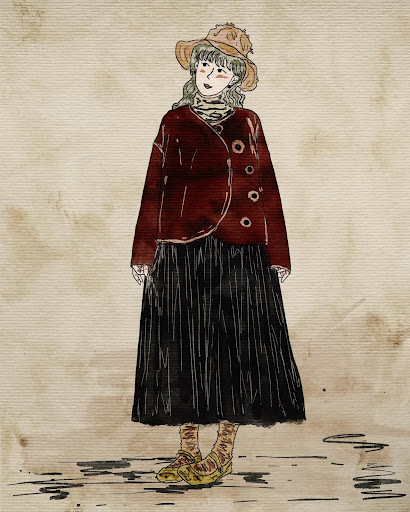
Vintage fashion has a charm that never fades. Many people enjoy the colors, shapes, and details from past decades. These styles feel familiar yet fresh. They offer creativity, personality, and history in every piece.
Vintage clothing also supports sustainability because it gives older garments a new life. This guide explores key trends, simple styling tips, and the unique appeal of fashion from different eras.
The Appeal of Vintage Fashion
Vintage clothing carries stories. Each piece reflects the culture and mood of the time. People enjoy wearing clothes that feel special and different from modern mass-produced items. Vintage fashion also allows personal expression.
You can mix colors and patterns without strict rules. You can also create looks that show your taste instead of following fast trends.
Many people feel drawn to vintage silhouettes because they flatter many body types. A-line skirts, soft blouses, and clean lines offer comfort and style. Vintage fashion also celebrates craftsmanship. Many older garments were made with strong fabrics and careful stitching. This quality helps pieces last longer.
Understanding Different Vintage Eras
Vintage fashion covers many decades. Each era has a distinct look. Learning these styles helps you choose pieces that match your taste.
The 1920s: Freedom and Fun
The 1920s brought bold changes. People embraced new styles and new ways of thinking. Women often wore straight-cut dresses with beaded details. These dresses moved easily during dances like the Charleston. Long necklaces, headbands, and cloche hats completed many outfits. Men often chose tailored suits with slim ties. The decade encouraged freedom, comfort, and fun.
The 1930s: Graceful Shapes
The 1930s introduced soft and graceful clothing. Dresses often featured long lines and gentle draping. Bias-cut gowns became popular for evening events. Shoulders were structured but not sharp. Many women wore pastel colors and floral prints during the day. Men’s fashion also became sleeker. Suits had wider shoulders and smooth fabric for a polished look.
The 1940s: Practical and Strong
The 1940s reflected a world at war. Clothing became practical and modest. Women often wore tailored jackets, knee-length skirts, and strong shoulder lines. Utility dresses had simple cuts and limited trims.
After the war, brighter colors and playful prints returned. Men’s suits featured broad shoulders and clean lines. Casual styles such as short jackets also became common.
The 1950s: Classic Elegance
The 1950s celebrated soft shapes and elegant details. Women’s dresses often had fitted waists and full skirts. Pastel shades and polka dots were popular. Cardigans and pearls added charm to many looks.
Men wore well-cut suits with narrow ties. Casual wear grew as well. Many people enjoyed denim, simple T-shirts, and letterman jackets.
The 1960s: Bold and Bright
The 1960s brought energy and change. Styles shifted quickly throughout the decade. Early in the 60s, clothing remained neat and simple. But as the decade moved on, designers embraced bold colors and graphic patterns.
Mini skirts became iconic. Women also wore shift dresses and tall boots. Men’s fashion saw brighter shirts, slimmer suits, and longer hair. This decade encouraged creativity and self-expression.
The 1970s: Free and Natural
The 1970s loved comfort and natural movement. Clothing reflected freedom and relaxed living. Bell-bottom pants, peasant blouses, and maxi dresses became favorites. Earth tones and tie-dye appeared everywhere.
Men wore wide collars, flared trousers, and open shirts. The decade embraced both bohemian and disco styles. Shiny fabrics and platform shoes also gained popularity.
The 1980s: Big and Bold
The 1980s celebrated strong shapes and bright colors. Power dressing became popular. Many women wore blazers with shoulder pads and straight skirts. Fitness fashion also grew, and people enjoyed leggings, neon colors, and loose sweatshirts.
Men wore oversized jackets, graphic T-shirts, and high-top sneakers. The decade encouraged confidence and energy.
The 1990s: Minimal and Cool
The 1990s brought simple and laid-back styles. Many people chose straight jeans, basic tops, and plaid shirts. Slip dresses and minimal black outfits gained attention.
Sportswear also influenced daily clothing. Men wore loose denim, graphic tees, and simple sweaters. This decade focused on comfort and calm tones.
How to Build a Vintage Wardrobe
Building a vintage wardrobe can be simple if you start small. Begin with a few classic pieces. Choose items that match your daily routine. For example, a soft blouse, a denim jacket, or a simple skirt can pair well with modern clothes. Adding vintage accessories like scarves, belts, or brooches can also create a gentle vintage look.
When you shop, check the condition of each piece. Older garments may show signs of wear. Look for strong seams and intact buttons. If a piece needs small repairs, you can fix it yourself or find a tailor. Many vintage items become long-lasting with simple care.
Try mixing vintage and modern styles. A vintage skirt may look nice with a modern top. A bold vintage jacket can refresh a simple outfit. Mixing eras keeps your wardrobe flexible and fun.
Patterns and Fabrics That Define Vintage Style
Patterns help define each decade. Polka dots, florals, and stripes appear in many eras. Bold geometric prints appear in the 1960s and 1970s. Solid pastel colors often appear in the 1950s. Denim remains popular across many decades.
Fabrics also carry the mood of each era. Soft rayon, sturdy wool, and smooth satin are common in older clothing. The 1970s introduced more synthetic fabrics, which created shine and stretch. Each fabric can give your outfit a distinct feel.
Finding Authentic Vintage Pieces
You can find vintage clothing in many places. Thrift stores often have hidden gems. Vintage shops offer curated collections. Online marketplaces provide many options if you enjoy browsing at home. Always check measurements because sizes from past decades differ from modern ones.
Estate sales and flea markets are also rich sources of unique clothing. You may find specialty items or well-preserved pieces at these events. Take your time and explore carefully.
Vintage Inspiration in Media and Culture
Vintage inspiration appears often in movies, music, and fashion shows. Many films use classic clothing to create a nostalgic mood. Modern artists also copy older styles in music videos and photo shoots.
Some people search for these looks in stores such as Blondes in Heaven, which focuses on retro pieces. This influence helps keep vintage trends alive in today’s culture.
Learn All About Vintage Fashion Trends and Styles
Vintage fashion celebrates history, creativity, and personal style. Each piece brings charm and character. By exploring different decades and choosing items you enjoy, you can build a wardrobe that feels unique and meaningful.
Vintage clothing invites you to express yourself while embracing classic beauty that never fades.
