

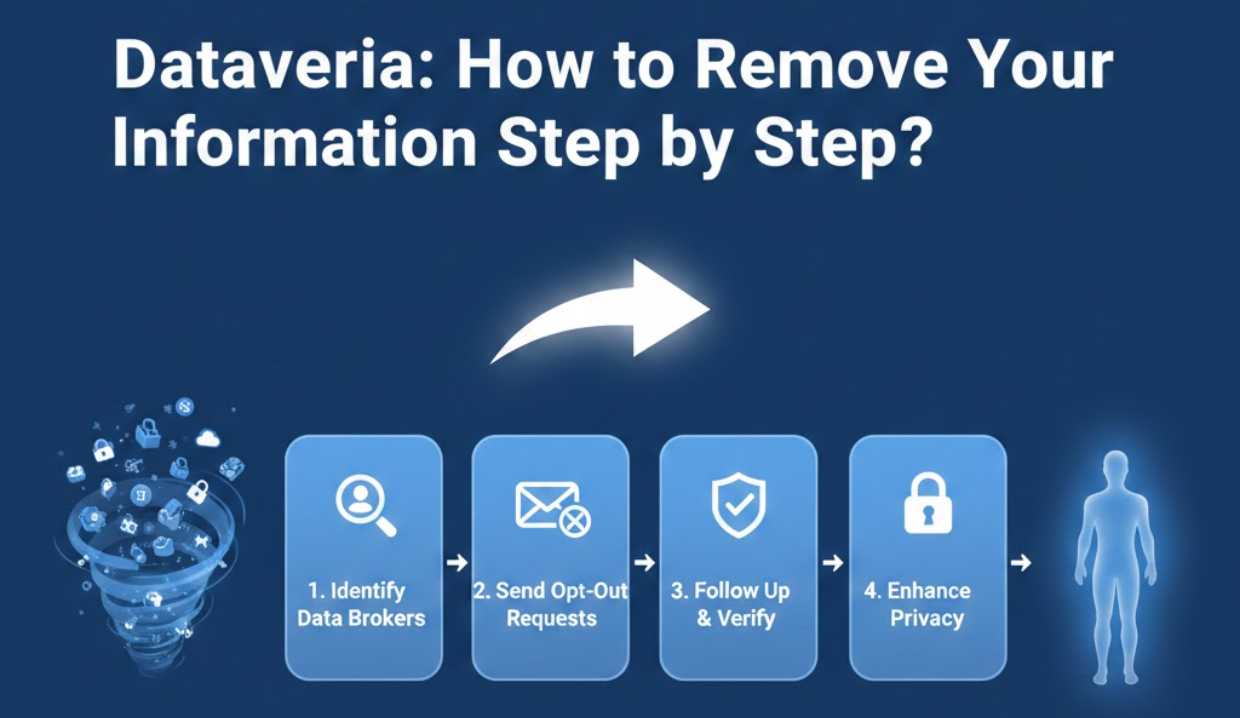
If you’ve searched your name online and found detailed personal records you never agreed to publish, Dataveria is likely one of the sources. Many people discover it only after realizing their address, phone number, background details, or family connections are publicly visible. This guide explains Dataveria how to remove your information in a clear, practical way, covering both beginner-friendly steps and advanced privacy insights so you can regain control of your data.
What Is Dataveria and Why Your Information Is There
Dataveria is a people search and data aggregation platform. It collects information from multiple public and semi-public sources, then combines it into individual profiles that are searchable online.
In simple terms (definition for clarity):
Dataveria is a data broker that gathers public records, online databases, and third-party sources to create detailed personal profiles, often without direct consent from the individual.
How Dataveria Collects Personal Data
Dataveria profiles are typically built using:
- Public records (property ownership, court filings, voter data)
- Background check databases
- Data shared by third-party data brokers
- Online directories and archived listings
Once collected, this data is aggregated, matched using identity signals, and displayed as a single profile.
Also read: Who Owns Pinterest Today and Who Really Controls the Company
Types of Information Dataveria Displays
A typical Dataveria profile may include:
- Full name and known aliases
- Current and past addresses
- Phone numbers and email addresses
- Age or date range
- Family members and associates
- Public record summaries
This level of exposure raises valid privacy and security concerns.
Why Leaving Your Information on Dataveria Is Risky
Even if the data appears harmless, public aggregation creates real-world risks.
Privacy Exposure
When personal data is centralized:
- Strangers can map your location history
- Scammers can cross-reference details
- Your digital footprint becomes easier to exploit
Identity and Reputation Risks
Dataveria data is often reused by:
- Background data deletion tools
- People search engines
- Secondary data partners
Once published, the information can spread far beyond the original site.
Dataveria How to Remove Your Information: Step-by-Step Process
Removing your data is possible, but the process requires accuracy and patience. Below is the most reliable method based on how Dataveria handles data erasure requests.
Step 1: Find Your Dataveria Profile
Search your full name on Dataveria and identify:
- The correct profile (verify address or age range)
- The unique profile URL
Accuracy matters. Submitting the wrong profile delays removal.
Step 2: Start the Dataveria Opt-Out Request
Dataveria provides an opt-out or data removal process where you must:
- Submit the profile URL
- Confirm your identity
- Request deletion or suppression
This step formally initiates the Dataveria data removal process.
Step 3: Identity Verification
To prevent misuse, Dataveria may ask for:
- Email verification
- Additional confirmation details
This is part of their identity matching logic and is common among data broker websites.
Step 4: Confirmation and Processing
After submission:
- You may receive a confirmation email
- Removal usually takes several days to a few weeks
This timeframe depends on Dataveria’s internal data refresh cycle.
How Long Dataveria Takes to Remove Data
Typical Removal Timeline
Most users see results within:
- 7–14 business days for suppression
- Up to 30 days for full deletion across systems
What Can Delay the Process
Common delay factors include:
- Incomplete verification
- Multiple similar profiles
- Active data refresh from third-party sources
Understanding these limitations helps set realistic expectations.
How to Confirm Your Information Is Fully Removed
Never assume removal is complete without verification.
Search Validation Methods
- Revisit the original profile URL
- Perform a fresh search using a private browser window
- Check variations of your name
Cached and Mirror Listings
Even after removal:
- Cached search results may linger
- Partner sites may still display old data
This doesn’t always mean Dataveria failed; it often reflects data cache persistence.
Why Dataveria Data Sometimes Reappears
This is one of the most misunderstood aspects of data broker opt out processes.
Data Refresh Cycles
Dataveria periodically updates its database by:
- Re-ingesting public records
- Syncing with secondary data partners
If your data exists elsewhere, it may resurface.
Third-Party Data Sources
Dataveria does not always originate the data. It aggregates it. Without preventing re-listing, removal can be temporary.
Legal Rights to Remove Data From Dataveria
Your rights depend on jurisdiction, but data protection laws increasingly support consumers.
CCPA Compliance (California)
Under the California Consumer Privacy Act:
- You can request deletion of personal data
- You can opt out of data sale or sharing
Dataveria must honor valid requests from eligible residents.
GDPR Data Erasure (EU)
If GDPR applies:
- You have the right to data erasure
- Companies must justify retaining personal information
These frameworks strengthen your removal request.
How to Stop Dataveria From Reposting Your Information
Removal is only one part of privacy control.
Preventive Privacy Steps
- Opt out of other data aggregation removal platforms
- Limit exposure on public directories
- Monitor new listings regularly
Ongoing Monitoring
Many people miss this step. Dataveria removal vs suppression matters because suppression hides data, while deletion removes it from active databases.
Manual Removal vs Automated Removal Services
Manual Removal
Pros:
- Free
- Full control
Cons:
- Time-consuming
- Requires regular monitoring
Professional Data Removal Services
Pros:
- Continuous suppression
- Covers multiple data broker websites
Cons:
- Paid service
- Limited control over the process
Both approaches can be effective depending on your privacy goals.
What to Do If Dataveria Rejects Removal
If your opt-out fails:
- Recheck identity verification
- Submit a follow-up data compliance request
- Reference applicable privacy rights
Escalation steps often resolve stalled requests.
Frequently Asked Questions About Dataveria Data Removal
How does Dataveria get my information?
Through public records, background databases, and data-sharing networks.
Is Dataveria legal?
Yes, but it must comply with data protection laws and opt-out requirements.
Does Dataveria share data with other sites?
Indirectly, through data aggregation networks and partners.
Can Dataveria refuse deletion?
Only in limited cases, such as legal record retention obligations.
Practical Example: Why Monitoring Matters
Think of Dataveria like a mirror reflecting data from many rooms. Removing one mirror doesn’t stop reflections from others. True privacy protection means reducing the source, not just the display.
Key Takeaways: Protecting Your Privacy Long-Term
- Dataveria is a data broker, not the source
- Removal is possible, but not always permanent
- Verification and follow-up are critical
- Legal rights strengthen your request
- Ongoing monitoring prevents silent re-listing
