

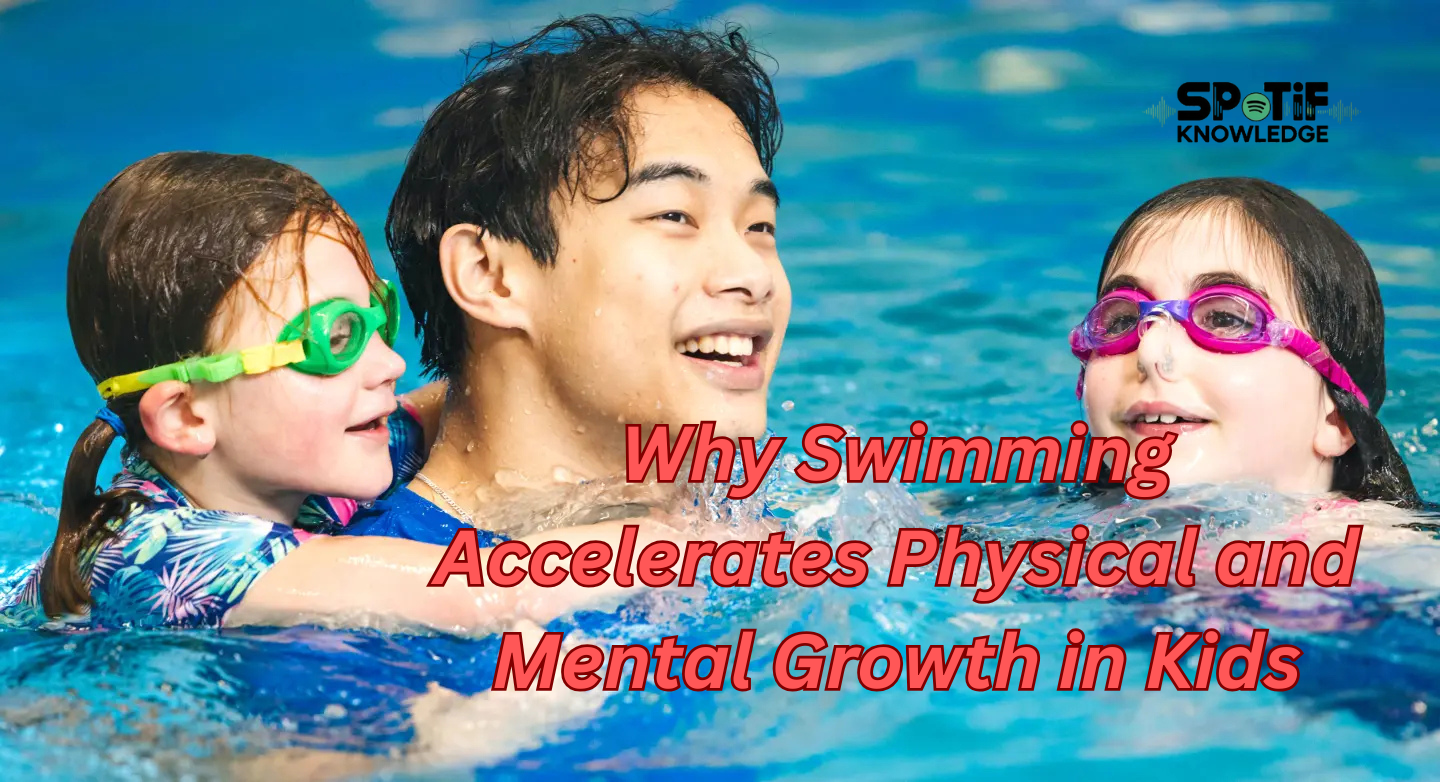
Have you ever wondered why children who swim often seem stronger, calmer, and more confident than others their age? Many parents notice changes after their child spends time in the water, but they may not fully understand why this happens.
Swimming is more than a fun activity or a way to stay cool. It supports the body and the mind at the same time.
This blog explores how swimming builds strength, confidence, focus, and emotional health in children. By reading on, you will learn how swimming helps kids grow faster in healthy and lasting ways.
How Water Movement Shapes the Growing Body?
Swimming helps children move their bodies in a way that feels natural and safe. Water supports body weight, which lowers stress on joints and muscles. This makes it easier for kids to move freely while still working hard.
Every kick, pull, and turn helps muscles grow stronger over time. Because the body works against water, effort increases without feeling heavy or painful.
This activity is known as a full-body exercise because it uses arms, legs, and the core at the same time. Kids improve balance and coordination as they learn to move smoothly in water.
These gains support better posture and body control on land. Over time, children become more aware of how their bodies move and respond.
Building Strength Without Pressure or Pain
Many sports place pressure on bones and joints that are still growing. Swimming offers strength building without harsh impact. Water resistance challenges muscles gently, which lowers the risk of injury.
This is helpful for children who are still learning how to control their movements. It also helps kids who may feel nervous about rough or fast sports.
As children grow stronger, they gain confidence in their physical abilities. Strong muscles support daily tasks like carrying bags or playing with friends.
Swimming builds endurance, too, which helps kids stay active longer without feeling tired. This steady growth supports long term physical health in a safe way.
Breathing Skills That Improve Focus
Swimming teaches children how to control their breathing in a calm and steady way. Learning when to breathe and when to hold breath requires focus and timing.
This skill trains the brain to stay present and alert. Over time, children learn to stay calm even when tasks feel challenging.
Controlled breathing also helps reduce stress and anxiety. Kids who practice breathing in water often feel more relaxed afterward.
This calm feeling can carry into school and home life. Better focus helps children listen, learn, and follow directions more easily.
Confidence Grows With Every Small Win
Each new skill learned in the water gives children a sense of success. Floating alone, crossing the pool, or learning a new stroke builds pride. These small wins add up and help children trust themselves.
Confidence gained in water often spreads into other areas of life. Children who feel confident are more likely to try new things. They become less afraid of making mistakes.
Swimming creates a safe space to practice patience and effort. Over time, kids learn that progress comes from practice, not from being perfect.
Emotional Balance Through Rhythm and Routine
Swimming has a steady rhythm that helps calm the mind. Repeating movements in water can feel soothing and predictable. This helps children manage strong emotions like anger or worry.
Regular swimming time creates a sense of routine that many kids find comforting. Being in water also helps children release energy in a healthy way. After swimming, kids often feel relaxed but happy.
This balance supports better sleep and mood. Emotional control improves when children have a healthy outlet for stress.
Social Growth and Positive Interaction
Swimming often happens in shared spaces like pools or clubs. This gives children a chance to interact with others in a positive setting. They learn to take turns, follow rules, and respect space.
These social skills are important for healthy relationships and help children feel comfortable in group settings. Over time, kids learn how to handle small conflicts and solve problems calmly with others. These experiences prepare them for teamwork in school and daily life.
For example, swimming lessons allow children to learn alongside peers while being guided in a safe and supportive way. This setting helps kids build trust in others and learn teamwork. Friendly interactions in water can help shy children open up.
Social confidence grows when kids feel included and supported. Children also learn to cheer for others and celebrate progress together. These shared moments create a sense of belonging that supports emotional growth.
Brain Development Linked to Movement
Physical movement plays a key role in brain growth. Swimming sends signals between muscles and the brain that improve coordination and memory.
These signals help strengthen neural pathways. As a result, children may show better problem-solving skills.
Learning new swimming skills also challenges the brain. Kids must remember steps and adjust movements.
This mental effort supports learning in other areas like reading or math. Active bodies often support active minds.
Healthy Habits That Last Over Time
Children who enjoy swimming often stay active as they grow older. This builds a strong base for lifelong health. When kids see exercise as fun, they are more likely to stick with it.
Swimming teaches that movement can feel good and rewarding. Healthy habits formed early often last into adulthood. Swimming supports heart health, strength, and flexibility.
These benefits grow with time and regular practice. Children who swim learn to value their bodies and care for them.
A Strong Start That Supports Overall Growth
Swimming supports many areas of growth at the same time. It strengthens the body, sharpens the mind, and supports emotional health.
Few activities offer such a wide range of benefits in one setting. This makes swimming a powerful tool for childhood development.
Parents often look for activities that support balanced growth. Swimming meets this need in a gentle and effective way.
It supports growth without adding stress or pressure. Children gain skills that help them now and in the future.
A Path Toward Stronger and Happier Kids
Swimming offers more than fun in the water. It supports physical strength, mental focus, emotional balance, and social skills. Children gain confidence as they grow stronger and more capable.
These changes often appear faster than with many other activities. When children swim, they learn important life skills through movement and play. The water becomes a place of growth and discovery.
Did this guide help you? Browse the rest of this section for a variety of topics.
