

Fire protection systems play an important role in keeping businesses safe. They help lower the risk of fire and reduce damage if a fire happens. These systems work together through prevention, detection, and response to protect a building.
Each part supports the others and helps keep workers, visitors, and property safe. When business owners understand how fire protection works, they can make better choices and avoid expensive problems. A strong fire safety plan also helps businesses follow safety laws and protect their reputation.
Clear safety plans help employees feel more secure and focused at work. This knowledge is a key part of being a responsible business owner.
Why Fire Safety Matters in Every Workplace
Fire safety is important because fires can spread fast and cause serious damage in a short time. Even a small fire can harm equipment, destroy records, and stop work for days or weeks. Many businesses are surprised by how long and costly recovery can be after a fire.
Fire safety planning helps lower these risks before trouble starts. It also shows care for employees, customers, and visitors. A safe workplace builds trust and helps people feel protected.
When safety becomes part of daily habits, problems are easier to notice and fix. This steady awareness helps people act early before small issues turn into bigger ones.
How Fire Prevention Reduces Risk
Fire prevention focuses on stopping fires before they begin. This includes storing Items safely, using machines the right way, and keeping work areas clean. Simple actions like clearing clutter, fixing broken wires, and turning off unused equipment can lower fire risk.
Training employees to spot danger signs is also very helpful. When everyone knows what to watch for, small problems are handled early. Prevention is often the lowest cost part of fire safety.
It also helps create a cleaner and more organized workplace. Over time, these habits build a stronger safety culture that people can rely on. A safer workplace also helps employees feel more confident and focused on their tasks.
The Role of Fire Detection Systems
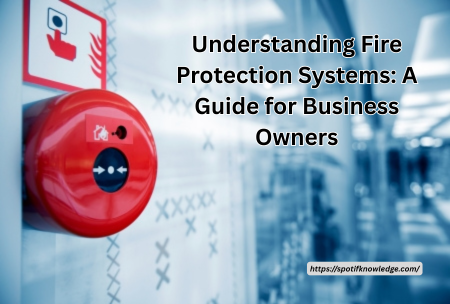
Fire detection systems help find smoke, heat, or fire as early as possible. Early warnings give people time to react and leave safely. Smoke alarms, heat sensors, and control panels work together to send alerts when danger is present.
These alerts can also turn on other safety systems in the building. Regular testing makes sure detection systems work when they are needed. Without early detection, a small fire can grow quickly.
Clear alarms help protect lives by giving people time to respond calmly. When systems are well maintained, they reduce confusion during emergencies. Reliable detection also helps limit damage by allowing faster action.
Understanding Fire Suppression Methods
Fire suppression systems help control or stop fires after they are found. Tools like sprinklers, fire extinguishers, and special fire agents help lower heat and slow flames. Different businesses need different systems based on their fire risks.
Offices, kitchens, and storage areas all face different dangers. Proper placement and regular care help these systems work correctly. Employees should know where suppression tools are and how they are used.
Quick action helps reduce damage and protect valuable property. These systems also support fire crews by controlling flames before they spread. When everyone understands their role, response time improves and safety increases.
Emergency Planning and Response Awareness
Fire protection works best when there is a clear emergency plan. Emergency plans explain what people should do and where they should go during a fire. These plans often include exit routes, meeting areas, and ways to share information.
Practice drills help workers stay calm during real emergencies. When people know what to expect, panic is less likely. Clear planning also helps emergency crews respond faster.
Good response awareness turns safety plans into real protection. Regular training ensures everyone understands their role and responsibilities during an emergency. Updating plans over time helps address new risks and changes in the building or workforce.
Maintenance and Professional Support
Fire protection systems need regular care to stay safe and reliable. Inspections help find worn parts or hidden problems before they cause failure. Keeping records of inspections and repairs shows care and responsibility.
Many businesses rely on commercial fire protection services to handle testing and system checks. Professional help makes sure systems meet safety rules and standards. Regular maintenance helps prevent sudden breakdowns.
Proper care protects people and property over time. It also extends the lifespan of equipment and reduces costly repairs. Consistent inspections allow small issues to be fixed before they become major problems.
How Fire Protection Supports Business Growth
Strong fire protection helps businesses succeed over the long term. Safe buildings attract workers and customers who value safety. Insurance companies may offer better rates to businesses with good fire safety plans.
Fewer fire problems mean less downtime and smoother operations. Fire protection also helps protect data, equipment, and supplies. Over time, these benefits add value to a business.
Safety planning becomes part of smart and steady growth. It also supports a positive reputation by showing responsibility and care for people. In the long run, strong safety practices help businesses remain competitive and resilient.
Building a Culture of Safety
Fire protection works best in a workplace that values safety. Leaders help set this tone by showing safety matters. Clear communication helps employees understand safety rules.
Regular training keeps safety knowledge fresh. When safety feels normal, workers look out for one another.
This shared effort builds trust and teamwork. A strong safety culture supports both workers and business success.
Turning Knowledge Into Safer Decisions
Understanding fire protection helps business owners make safer choices. Knowledge leads to planning instead of reacting after damage happens. When systems, people, and plans work together, risks are easier to manage.
Business owners feel more confident knowing they are prepared. Safety choices made today protect the future of the business. Learning these basics helps owners lead with confidence and care.
A Safer Business Starts With Smart Awareness
Fire safety is more than a rule; it is a responsibility. When business owners understand fire risks, safety systems, and response plans, they can act with care and confidence. Fire protection systems bring prevention, detection, and response together.
This understanding helps reduce loss and build trust. Safe workplaces also help employees and customers feel secure. Learning today leads to stronger protection tomorrow.
Did this guide help you? Browse the rest of this section for more advice on a variety of topics.
