

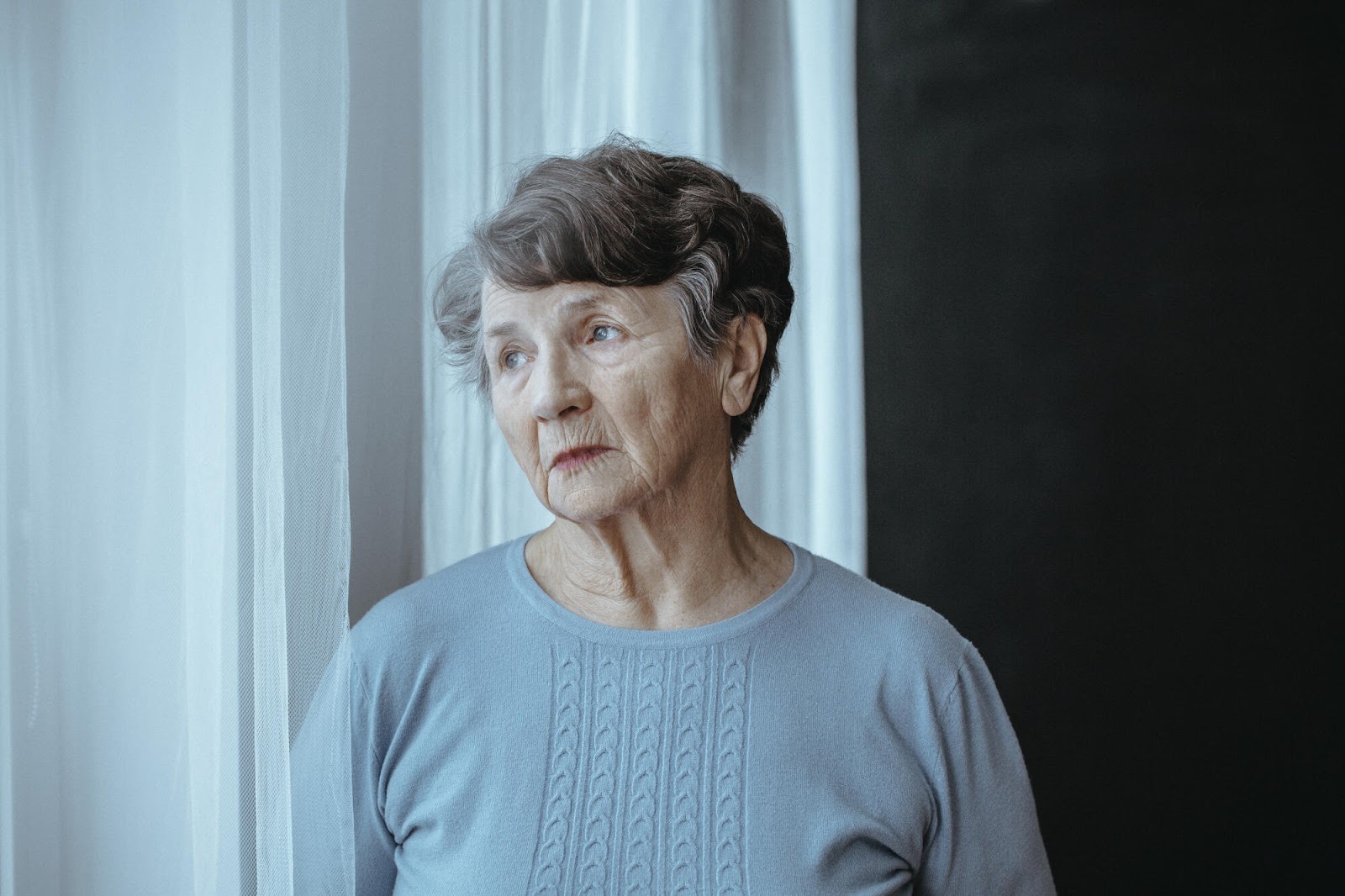
Have you ever noticed your mood dip when the days get shorter and colder? You’re not alone – many people experience seasonal depression during winter months when sunlight fades and routines slow down.
The good news is that self-care can make a real difference in how you feel, helping you stay positive and energized even through the darkest days.
This article explores simple, personalized self-care strategies that can help lift your mood, reduce stress, and bring warmth back into your winter days.
Understanding Seasonal Depression
Seasonal depression, often called Seasonal Affective Disorder (SAD), typically happens in the fall and winter. It can make you feel more tired, sad, or unmotivated than usual. Shorter days and reduced sunlight can lower serotonin levels, which play a key role in regulating mood.
While it might seem unavoidable, there are ways to manage it. Recognizing the signs early – such as changes in sleep, appetite, or energy – helps you take control. Small, consistent self-care habits can prevent symptoms from getting worse and support better mental health through the season.
Creating a Mood-Boosting Daily Routine
A personalized daily routine can help reset your body and mind. Try to wake up and go to bed at the same time each day, even on weekends. Consistent sleep patterns balance your internal clock and improve your overall mood.
Make room for small activities that make you feel good – reading, stretching, or spending time in nature. Exposure to natural light early in the day can help your brain feel more awake. For older adults looking to stay balanced during the colder months, these winter wellness tips for seniors can provide extra guidance for keeping spirits high and routines strong.
Nourishing Your Body and Mind
What you eat can affect how you feel. Winter comfort foods are tempting, but aim to include fruits, vegetables, and omega-3-rich meals that support brain health. Staying hydrated is also essential – even mild dehydration can impact energy and focus.
Gentle exercise, like walking indoors or doing yoga, releases endorphins that improve mood. Pairing movement with mindful breathing can calm anxiety and boost confidence. Small, steady actions to care for your body often translate into big emotional benefits.
Connecting with Others
Isolation can worsen feelings of sadness, especially during long winter months. Make it a point to reach out to friends or family, even through short calls or shared hobbies. Human connection can be one of the strongest tools for fighting off the winter blues.
If getting out isn’t easy, online communities or local support groups can help you feel less alone. Talking about how you feel can ease emotional weight and open doors to encouragement and understanding. Connection reminds you that you’re supported and that brighter days are ahead.
Personalized Self-Care: Let Your Light Shine from Within
Personalized self-care isn’t about perfection – it’s about finding what brings you balance and peace. Everyone experiences seasonal changes differently, but caring for yourself with kindness can transform how you handle the season. Taking small, steady steps builds emotional strength and resilience.
Remember, your mental health matters as much as your physical health. Choose habits that lift your spirit and help you feel grounded, no matter what the weather brings.
We hope this article was helpful to you. If you enjoyed it, be sure to check out our blog for more valuable information and resources.
