

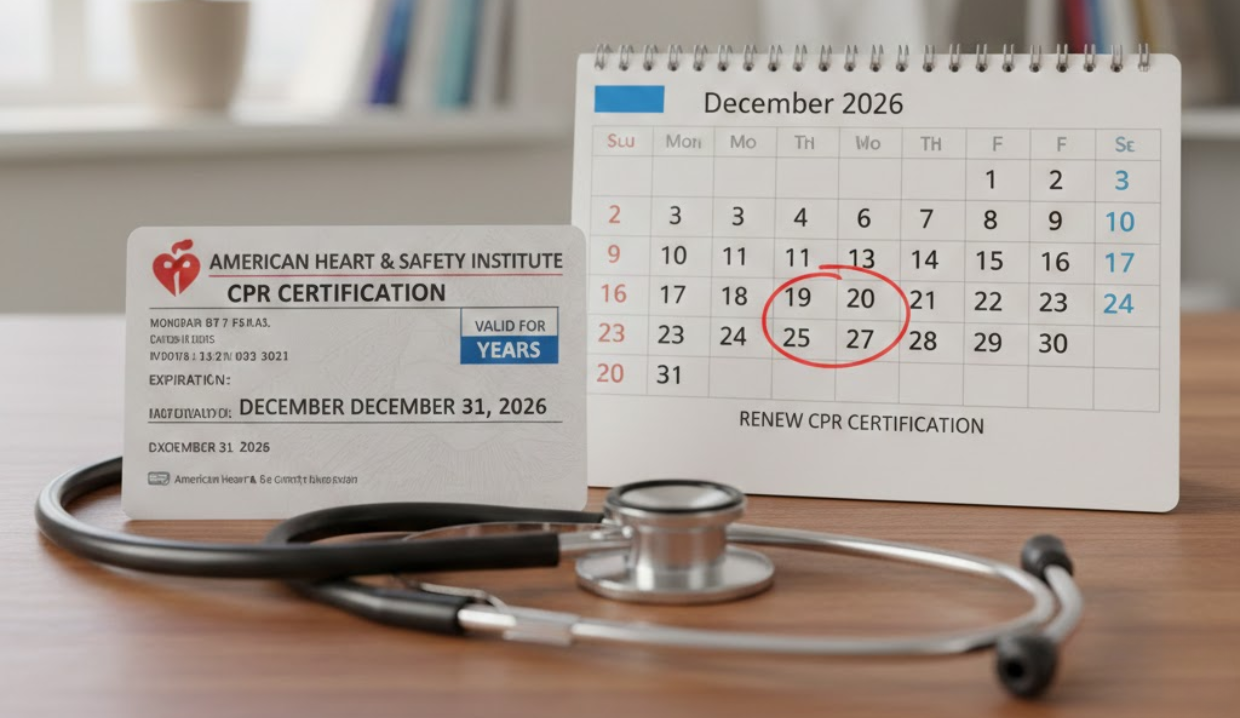
CPR certification is one of those credentials you hope you never need to use—but when you do, it matters more than almost anything else. Whether you’re a healthcare professional, teacher, fitness trainer, or simply a responsible bystander, understanding how long CPR certification lasts is critical for compliance, confidence, and real-world readiness.
This guide covers everything: certification validity periods, expiration rules, renewal timelines, differences between providers, online vs in-person training, employer expectations, and the hidden details most articles skip. By the end, you’ll know exactly where you stand and what to do next.
What CPR Certification Is and Why It Expires
CPR certification confirms that you’ve been trained to perform cardiopulmonary resuscitation correctly and safely, in accordance with current medical and safety guidelines. These guidelines evolve as research improves techniques, timing, and best practices.
Clear definition (featured-snippet friendly):
CPR certification usually lasts one to two years, depending on the issuing organization, course type, and professional requirements. It is designed to ensure rescuers maintain accurate, up-to-date skills that align with current emergency response standards.
Unlike academic degrees, CPR is a hands-on, time-sensitive skill. Without regular practice, competency fades. That’s the core reason certifications are not permanent.
Standard CPR Certification Validity Period
For most people, CPR certification follows a predictable lifecycle.
Typical Duration
- 2 years: Most common standard
- 1 year: Some workplace or healthcare-specific programs
- No lifetime validity: Claims of “lifetime CPR certification” are not recognized by major authorities
The exact CPR certification validity period depends on who issued the credential and how it’s used.
CPR Certification Duration by Organization
Major training bodies follow similar—but not identical—expiration rules.
American Heart Association (AHA)
- Standard CPR and Basic Life Support (BLS) certifications
- Valid for 2 years
- Widely accepted byhealthcare providers and hospitals
American Red Cross
- Adult, child, and infant CPR courses
- Typically valid for 2 years
- Strong acceptance across workplaces and schools
National Safety Council (NSC)
- Workplace-focused CPR and AED training
- Validity usis ually 2 years, depending on the employer policy
Other CPR Training Providers
- Duration ranges from 1 to 2 years
- Employer acceptance varies
- Online-only providers may have stricter limitations
Always verify acceptance with your employer or licensing body.
Also read: Dataveria How to Remove Your Information Step by Step?
CPR vs BLS Certification: Duration Differences
Many people confuse CPR with BLS, but Google and employers don’t.
| Certification Type | Who It’s For | Validity |
|---|---|---|
| CPR | General public, teachers, trainers | 1–2 years |
| BLS | Healthcare professionals | 2 years |
| Heartsaver CPR | Workplace safety roles | 2 years |
BLS certification includes advanced components such as team response and clinical scenarios, which is why renewal compliance is more strictly enforced.
CPR Certification Expiration Rules Explained
What Counts as Expired CPR Certification
Your certification is considered expired when:
- The expiration date has passed
- Renewal was not completed within the allowed window
- Your employer requires a newer version of the guidelines
Expired CPR certification typically cannot be used for job compliance, audits, or legal protection.
Grace Periods and Employer Policies
Some employers allow a short grace period, often 30–60 days. Others require continuous active status with no lapse.
OSHA does not issue CPR certifications but expects employers to ensure employees are properly trained and current. During compliance audits, expired credentials can raise red flags.
CPR Certification Renewal Timeline
Understanding the CPR renewal timeframe helps you avoid unnecessary stress.
When to Renew CPR Certification
Best practice:
- Check your expiration date
- Renew 30–60 days before expiration
- Schedule skills assessment early if required
Renewing early does not shorten your new certification period.
Early Renewal vs Expired Renewal
- Early renewal: Faster, often shorter courses
- After expiration: May require full retraining
From a cost, time, and compliance perspective, early renewal is almost always the smarter choice.
CPR Certification for Different Professions
Not all jobs follow the same rules.
Healthcare Workers
- Usually requiress BLS certification
- No tolerance for expired credentials
- Hospitals often track certification status centrally
Teachers and Childcare Providers
- CPR certification for child and infant response
- Renewal every 1–2 years
- Often tied to state or licensing requirements
Fitness Trainers and Coaches
- CPR and AED certification required
- Employers may reject online-only courses
- Renewais l is needed to maintain liability coverage
Remote and International Workers
Some employers require CPR certification even for remote roles involving public interaction. International CPR certification validity depends on whether the issuing organization is recognized locally.
Online vs In-Person CPR Certification Validity
This is where confusion is common.
Online CPR Certification
- Convenient and fast
- May lack hands-on skills assessment
- Some employers do not accept it
In-Person or Blended Training
- Includes physical skills testing
- Higher employer acceptance
- Often required for healthcare roles
From a CPR compliance timeframe perspective, in-person or blended courses carry fewer risks.
What Happens If Your CPR Certification Expires
Letting your credential lapse has real consequences.
Practical and Legal Risks
- Job suspension or compliance failure
- Ineligibility during safety audits
- Increased employer liability
- Loss of legal protection if CPR is performed incorrectly
Expired certification can also affect insurance coverage in some professions.
Why CPR Skills Expire Faster Than You Think
Studies show CPR skill decay can begin within months of training. That’s why the CPR skills refresh interval matters.
Without practice, people tend to:
- Compress too shallow or too slow
- Forget correct ratios
- Hesitate during emergencies
Regular recertification reinforces muscle memory and decision-making under stress.
How to Check and Track CPR Certification Expiration
Staying current is easier with a system.
Ways to Verify Status
- Certification card or digital certificate
- Online CPR certification registry (if available)
- Employer training records
Best Practices for Tracking
- Set calendar reminders
- Save digital copies in cloud storage
- Align renewal with other safety training
For employers, centralized tracking reduces audit risk and ensures workforce readiness.
Common CPR Certification Myths (Debunked)
- “CPR certification lasts forever” – False
- “Online CPR is always accepted” – Not true
- “Expired CPR is fine if I remember the steps” – Risky and often non-compliant
- “Renewing early wastes time” – Incorrect; it protects continuity
Google and employers both prioritize active certification status, not intentions.
Frequently Asked Questions
How long does CPR certification last in the US?
Usually one to two years, depending on the provider and course type.
Does CPR certification expire differently by state?
The issuing organization sets the expiration period, but acceptance may vary by state regulations or employer rules.
Can you renew CPR certification after it expires?
Yes, but you may need to complete a full course instead of a refresher.
Is CPR certification still valid if you change jobs?
Yes, as long as it’s unexpired and accepted by the new employer.
Key Takeaways: What You Should Do Next
- CPR certification typically lasts 1–2 years
- Expiration rules depend on the issuing organization and job role
- Early renewal prevents compliance gaps
- In-person or blended training offers the broadest acceptance
- Tracking your expiration date is part of professional responsibility
If your goal is to stay compliant, confident, and prepared, don’t wait until the last minute. CPR certification isn’t just a requirement—it’s a safeguard for real lives, including your own.
