

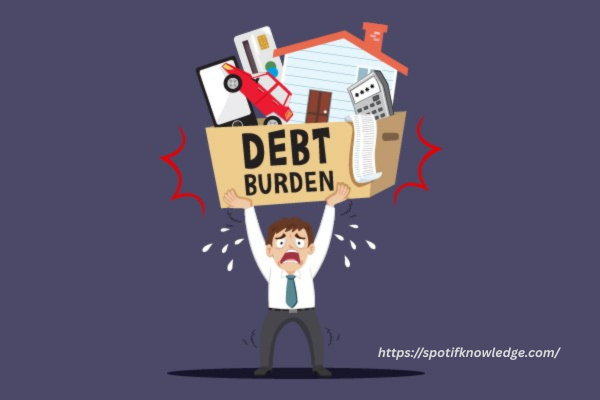
Debt rarely appears overnight. Most long term financial strain develops slowly through everyday habits and small decisions that seem harmless at first. A purchase here, a delayed payment there, and gradually the balance grows larger than expected. What makes these situations challenging is that many of the behaviors that lead to debt feel convenient or even necessary in the moment.
Understanding the patterns behind long term debt can make a significant difference. When people begin examining the habits that shape their financial decisions, they often realize that the issue is not a single mistake but a series of small choices that accumulate over time. In situations where obligations become difficult to manage, some individuals begin exploring options like restructuring their finances or researching solutions such as business debt relief to regain stability.
Preventing these situations in the first place often comes down to recognizing the subtle traps that make debt easier to accumulate.
The Convenience Trap
Modern financial tools make spending easier than ever. Credit cards, digital wallets, and online shopping platforms remove much of the friction that once slowed purchasing decisions. While this convenience can be helpful, it can also create a disconnect between spending and awareness.
When transactions happen quickly and invisibly, it becomes easier to underestimate how much money is leaving your account. A series of small purchases may not seem significant individually, but over weeks and months they can accumulate into large balances.
The Consumer Financial Protection Bureau offers guidance on tracking everyday spending habits to improve financial awareness. Their resources highlight how simply monitoring purchases regularly can help individuals notice patterns that might otherwise go unnoticed.
Adding a small pause before non essential purchases often restores that awareness.
Minimum Payment Illusion
Credit card statements frequently highlight the minimum payment required to keep an account in good standing. While this feature can provide short term relief, it can also create the illusion that progress is being made.
Paying only the minimum amount often allows interest to accumulate faster than the balance decreases. Over time, this pattern can extend repayment timelines dramatically and increase the total cost of the debt.
According to the Federal Trade Commission, consumers who make only minimum payments may take years to eliminate relatively small balances due to compounding interest. Their explanation of how credit card interest and repayment schedules work illustrates how long repayment periods can become when balances are not reduced aggressively.
Understanding this dynamic encourages people to prioritize higher payments whenever possible.
Short Term Thinking
Many financial traps stem from focusing on immediate convenience rather than long term impact. A purchase might solve a short term problem or provide temporary satisfaction, but repeated decisions like this can gradually weaken financial stability.
Short term thinking often appears in situations such as financing non essential items, delaying savings contributions, or ignoring small balances that grow over time.
Shifting the perspective slightly can help prevent these habits. Before making a financial commitment, it can be useful to ask a simple question. How will this decision affect my finances six months or a year from now?
This small shift encourages decisions that support long term stability rather than short term convenience.
Lifestyle Inflation
As income grows, spending often grows alongside it. This pattern, sometimes called lifestyle inflation, can quietly prevent people from building financial security.
When raises or additional income immediately translate into higher expenses, opportunities to strengthen savings or reduce debt may disappear. Over time, individuals may find themselves earning more money but still struggling to gain financial traction.
Recognizing this pattern allows people to make intentional choices about how additional income is used. Directing a portion of increased earnings toward debt reduction, savings, or investment can create lasting financial improvements.
Lifestyle growth can still occur, but it happens in a balanced way.
Ignoring Small Financial Signals
Long term debt rarely appears without warning. Small signals often appear early in the process. Credit card balances begin creeping upward, savings contributions stop temporarily, or monthly expenses start exceeding expectations.
These signals can be easy to overlook, especially during busy periods of life. However, addressing them early often prevents larger financial challenges later.
Regular financial check ins can help identify these signals. Reviewing account balances, spending patterns, and upcoming obligations once a month can reveal issues before they become difficult to manage.
The goal is not to obsess over every detail but to maintain enough awareness to respond quickly when patterns change.
Emotional Spending
Another common factor behind long term debt is emotional spending. People often use purchases as a way to relieve stress, celebrate achievements, or cope with difficult emotions.
While occasional emotional purchases are normal, relying on spending as a primary coping mechanism can lead to repeated financial strain. Over time, the temporary relief from buying something new may be replaced by the stress of managing growing balances.
Developing alternative ways to manage emotions, such as exercise, social connection, or creative activities, can reduce the reliance on spending for comfort.
Financial decisions become more intentional when they are not driven primarily by emotional reactions.
Building Financial Habits That Prevent Debt
Avoiding long term debt is rarely about a single dramatic decision. Instead, it comes from developing consistent habits that support financial awareness and stability.
Tracking spending regularly helps maintain visibility. Paying more than minimum balances reduces long term costs. Evaluating purchases through a long term perspective encourages thoughtful decisions.
Over time, these habits create a financial environment where debt becomes less likely to accumulate.
The most important step is recognizing that financial stability develops gradually. Each small choice either strengthens or weakens the overall structure of personal finances.
By identifying common traps and responding with mindful habits, individuals can prevent the patterns that often lead to long term debt and build a more sustainable financial future.
