

Have you ever wondered what silent warning signs might be hiding inside your walls? Many homes show small clues long before serious damage appears.
Cracks, uneven floors, and sticking doors often seem harmless at first. Yet these details can point to deeper structural trouble.
Knowing what to look for can protect both safety and property value. This guide explains clear checks that any homeowner can do.
By the end, readers will know how to spot problems early and avoid costly repairs. Keep on reading!
Exterior Wall Cracks
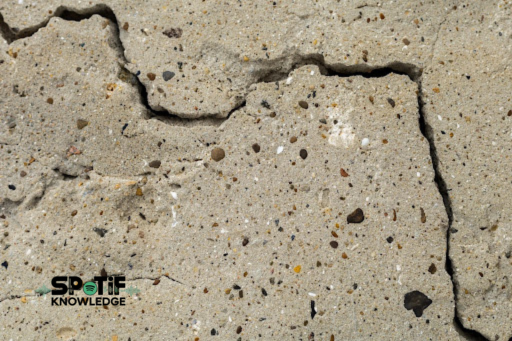
Small cracks on outside walls can signal shifting or settling foundations. Hairline cracks near windows or doors often grow as pressure increases. Ignoring these early signs may allow moisture and stress to spread.
Brick, stone, and siding should appear straight without bulges or gaps. A bowed wall usually means soil pressure is pushing inward over time. Such movement often starts small but becomes expensive if repairs are delayed.
Paint peeling along cracks can show water entering through weakened surfaces. Cold air leaks may also appear where wall sections have shifted. Regular exterior checks help homeowners catch problems before damage grows.
Uneven or Sloping Floors
Floors that slope or dip can indicate trouble beneath the structure. This issue often develops slowly and is missed during daily routines. Furniture that rolls or rocks may be an early warning.
Wood floors may separate, while tiles can crack as support shifts. Carpet wrinkles sometimes form where the surface no longer lies flat. These changes suggest movement in beams, joists, or foundation elements.
Uneven floors may also affect doors, cabinets, and interior trim. Walking through the home slowly can reveal subtle height differences. Prompt attention can prevent further sagging and structural strain.
Doors and Windows Issues
Doors and windows that stick often reflect changes in the frame. Seasonal swelling can cause minor issues, but constant problems deserve attention. Gaps around frames may show shifting walls or settling foundations.
Latches that no longer line up suggest openings have moved. Glass cracking without impact is another sign of pressure changes. Over time, these stresses can weaken surrounding wall materials.
Window seals may fail sooner when frames twist or bend. Daylight visible around closed doors should never be ignored. Fixing alignment issues early helps maintain both comfort and safety.
Foundation Moisture Problems
Water around the foundation can quietly damage concrete and soil. Poor drainage often allows moisture to collect after heavy rain. Over time, wet soil expands and presses against foundation walls.
Musty smells indoors can point to hidden moisture problems. Efflorescence, a white powder, may appear where water evaporates. These signs suggest water is moving through porous materials.
Long-term moisture weakens foundations and encourages mold growth. Checking gutters and downspouts helps direct water away from the house. Dry conditions support underpinning for stable foundations during repairs.
Roof and Ceiling Warning Signs
The roof protects the building, so any damage to the roof affects everything below. Sagging rooflines may mean that the rafters are weak or that the supports are moving. If shingles are missing or curling, water may get in without you noticing.
Watch out for cracks in the ceiling inside the house. Leaks that go along the framing are often shown by stains or changes in color. Wet spots on the surface may mean long-term damage from water.
When you check your attic, you might find broken trusses or damp insulation. Heat and moisture that stress roof systems can be avoided with good ventilation. Taking care of roof problems early on protects the whole building.
Basement and Crawl Space Checks
Basements and crawl spaces reveal much about a home’s condition. Cracks, dampness, or exposed soil should raise immediate concern. These areas often show problems before they appear upstairs.
Support posts must stand straight without signs of sinking. Rust on metal components may signal ongoing moisture exposure. Wood beams should feel solid, not soft or crumbling.
In crawl spaces, torn vapor barriers reduce moisture protection. Pests often enter through gaps created by structural movement. Routine inspections keep small basement issues from becoming major repairs.
Exterior Ground Movement
The ground around a house plays a major role in stability. Soil that expands or erodes can stress the foundation. Visible gaps between soil and walls suggest movement below.
Tree roots near the home may push against foundations. Removing large trees without planning can also disturb the soil balance. Driveways or paths may reflect shifting ground conditions.
Sloping soil should direct water away from the structure. Pooling water near walls increases pressure and erosion risks. Managing drainage helps maintain consistent support under the house.
Interior Wall Alignment
If the interior walls are straight, it means that the framing is still in the right place. Walls that are wavy or leaning can be a sign of bigger structural changes. Baseboards that are separate from floors often draw attention to this movement.
Cracks in the corners of walls need to be fixed because that’s where stress builds up. Diagonal cracks could mean that the foundation or framing is moving. When you keep patching without fixing, it’s usually a sign of a bigger problem.
A level is a quick way to check that a wall is plumb. Alignment problems can be seen when shelves tilt or cabinets pull away. Fixing problems early on keeps the structure and finishes inside in sync.
Professional Inspection Timing
To fully understand what some signs mean, you need to have trained eyes. When you hire a professional to do an inspection, they bring tools and experience that you might not have. If you wait too long, small problems can get worse.
Moving, wet, and load paths are accurately measured by inspectors. They can tell if the changes are just for looks or if they affect the structure. Clear reports help owners make smart decisions about repairs and budgets.
Scheduling inspections after storms or renovations is especially wise. Older homes benefit from regular checks as materials age. Timely expert advice protects the home and its long-term value.
Identify Early Signs of Structural Problems
Structure problems don’t usually show up all of a sudden, but they are often easy to spot. Careful watching, regular checks, and following traditional building methods can keep a house from getting seriously damaged.
It is safer in the long run, lowers risk, and keeps value when small problems are fixed quickly. People can plan repairs instead of reacting to emergencies if they stay alert.
People and future generations need stable housing. Preventing chaos, stress, mistakes that cost a lot of money, and sudden losses tomorrow with consistent care today.
For more helpful tips, browse our blog regularly!
