

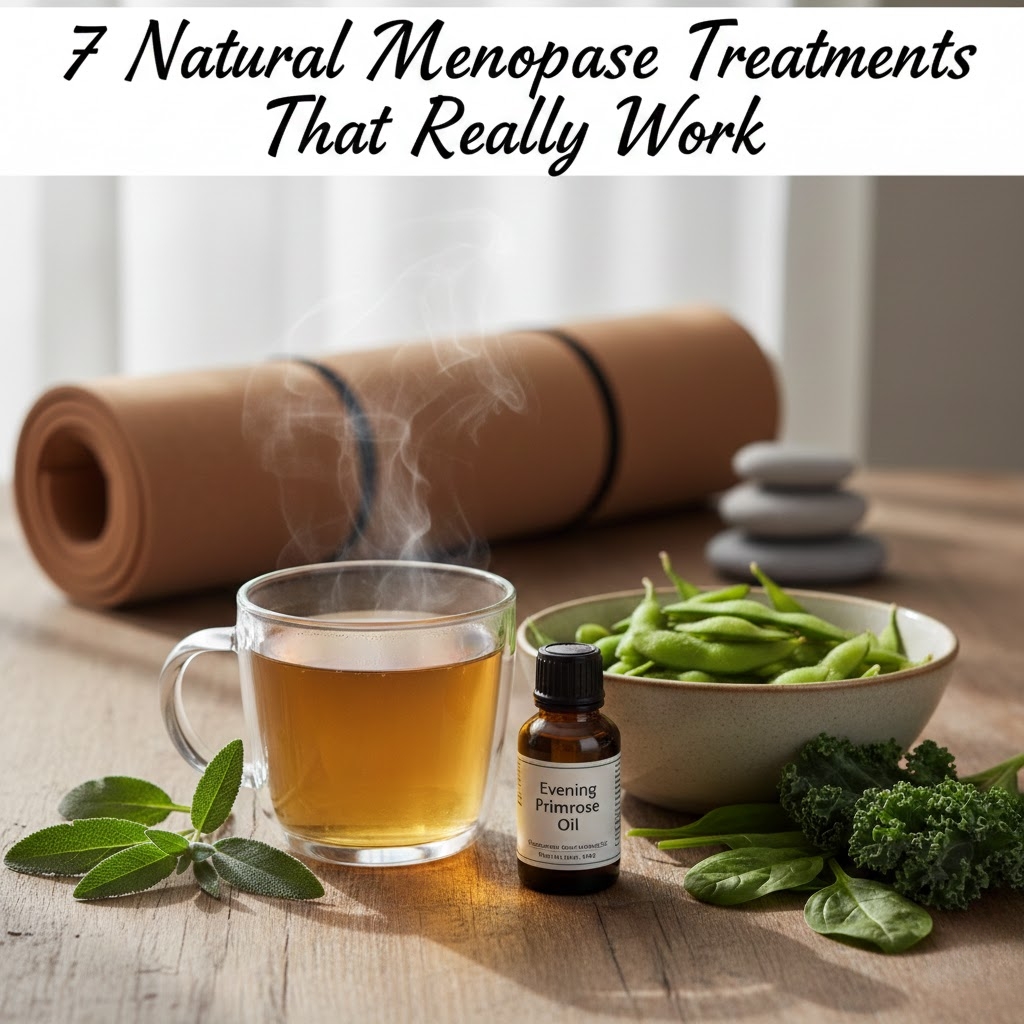
Menopause is a natural life transition, but the symptoms often catch women off guard. Hot flashes, night sweats, poor sleep, mood changes, weight gain, and brain fog can feel disruptive and, at times, overwhelming. Many women want relief without jumping straight to hormone replacement therapy (HRT). That’s where natural menopause treatments that really work come in.
This guide breaks down what actually helps, why it works, and how to use these approaches safely and effectively. Everything here is grounded in biology, clinical research, and real-world outcomes—not trends or quick fixes.
Understanding Menopause at the Root Level
Menopause is defined as 12 consecutive months without a menstrual period, but the changes begin years earlier during perimenopause. The symptoms aren’t caused by low estrogen alone. They result from a complex chain reaction involving the brain, hormones, metabolism, and nervous system.
Hormonal Changes Beyond Estrogen
During menopause, the body experiences shifts in:
- Estrogen and progesterone
- Cortisol (stress hormone)
- Insulin sensitivity
- Thyroid signaling
These changes affect inflammation, temperature regulation, mood stability, sleep cycles, and fat storage. That’s why treating menopause symptoms requires a whole-body approach, not a single supplement.
Why Symptoms Feel So Intense
Hot flashes and night sweats, also known as vasomotor symptoms, occur when the brain’s temperature control center becomes overly sensitive. Even small changes in body temperature can trigger sweating or chills. At the same time, nervous system dysregulation and rising inflammation amplify discomfort.
How We Evaluated What “Really Works”
Not all natural remedies deserve the same attention. For this article, effectiveness was judged using three criteria:
- Scientific evidence – Human studies, clinical trials, or strong physiological rationale
- Safety profile – Low risk when used appropriately
- Sustainability – Works long term, not just short-term symptom masking
This ensures the treatments below address root causes rather than temporarily hiding symptoms.
The 7 Natural Menopause Treatments That Really Work
1. Targeted Nutrition for Hormone Balance
Diet is one of the most powerful tools for menopause symptom relief.
A menopause-supportive diet focuses on:
- Stabilizing blood sugar
- Reducing inflammation
- Supporting estrogen metabolism
- Nourishing the gut microbiome
Key dietary strategies include:
- Prioritizing protein to preserve muscle and insulin sensitivity
- Adding healthy fats (olive oil, omega-3 fatty acids) to support hormone signaling
- Increasing fiber intake to improve estrogen recycling through the gut
- Reducing ultra-processed foods that worsen inflammation and hot flashes
Women who adopt consistent, balanced nutrition often report fewer hot flashes, better energy, and improved mood within weeks.
2. Evidence-Backed Herbal Support
Some herbal treatments show measurable benefits when used correctly.
The most studied options include:
- Black cohosh extract, which may help reduce hot flashes and night sweats
- Red clover isoflavones, a source of phytoestrogens that gently interact with estrogen receptors
- Adaptogenic herbs that support the stress response and cortisol regulation
These herbs don’t act like hormones. Instead, they help the body adapt to hormonal shifts more smoothly. Results vary by individual, which is why quality, dosing, and duration matter.
3. Nervous System Regulation Techniques
Many menopause symptoms are driven by an overactive stress response.
When the autonomic nervous system stays in a constant “fight or flight” mode, hot flashes, anxiety, and sleep problems worsen. Calming the nervous system directly improves symptoms.
Effective methods include:
- Slow breathing and breathwork
- Mindfulness-based stress reduction
- Gentle yoga or tai chi
- Cognitive behavioral therapy for insomnia (CBT-I)
These approaches help restore balance to the hypothalamic-pituitary-adrenal axis, reducing vasomotor instability and emotional reactivity.
4. Sleep Cycle Restoration
Sleep disruption is one of the most common menopause complaints—and one of the most overlooked.
Menopause affects:
- Melatonin production
- Circadian rhythm regulation
- Sleep architecture (deep and REM sleep)
Improving sleep naturally involves:
- Consistent light exposure in the morning
- Limiting blue light at night
- Cooling the sleep environment
- Supporting magnesium levels (especially magnesium glycinate)
Better sleep often leads to fewer hot flashes, improved mood, and better weight control.
5. Strength Training and Metabolic Repair
Loss of estrogen accelerates muscle loss and slows metabolism. Strength training directly counters this process.
Benefits include:
- Improved insulin sensitivity
- Reduced visceral fat
- Better bone mineral density
- Improved mood and cognitive function
Two to three sessions per week of resistance training can significantly reduce menopause-related weight gain and fatigue. This effect goes beyond appearance—it’s metabolic protection.
6. Stress and Cortisol Control
Chronic stress worsens nearly every menopause symptom.
Elevated cortisol contributes to:
- Abdominal weight gain
- Sleep fragmentation
- Mood swings
- Increased inflammation
Natural cortisol control strategies include:
- Daily movement
- Time outdoors
- Consistent meal timing
- Saying no to overcommitment
Lower stress improves hormonal communication throughout the body, making other treatments more effective.
7. Targeted Micronutrient Support
Menopause increases the body’s demand for certain nutrients.
Common deficiencies include:
- Magnesium
- Vitamin D3 (often paired with K2)
- Omega-3 fatty acids
- B-complex vitamins
Correcting these deficiencies supports bone health, nervous system function, and inflammation control. Supplements work best when guided by symptoms, diet, and medical advice.
Also read: What Is Lyposingrass And How Does It Benefit Health Naturally
What Natural Treatments Fail—and Why
Not every “natural” solution delivers results.
Common reasons treatments fail:
- Using isolated supplements without lifestyle changes
- Expecting immediate results
- Ignoring sleep and stress
- Treating symptoms instead of root causes
For example, taking a supplement for hot flashes while maintaining high stress and poor sleep rarely works long-term.
Natural Treatments vs Hormone Therapy
Natural approaches and hormone therapy aren’t enemies—they serve different roles.
| Aspect | Natural Treatments | Hormone Therapy |
|---|---|---|
| Speed of relief | Gradual | Often faster |
| Risk profile | Generally lower | Depends on individual |
| Long-term use | Sustainable | Requires monitoring |
| Root-cause support | Strong | Symptom-focused |
Some women combine both under medical supervision. Others manage symptoms fully without medication.
How Long Do Natural Menopause Treatments Take to Work
Most women notice changes in stages:
- 2 weeks: Improved sleep, energy, mood
- 30 days: Reduced hot flashes, better focus
- 90 days: More stable weight, fewer symptom flare-ups
Consistency matters more than intensity.
Who Should Not Rely Only on Natural Treatments
Natural menopause treatments are effective, but not always sufficient.
Medical care is essential if symptoms include:
- Severe depression or anxiety
- Heavy or unexplained bleeding
- Rapid bone loss
- Cardiovascular risk factors
Natural approaches work best when paired with proper medical screening.
Preventing Symptom Relapse After Menopause
Symptoms can return if supportive habits stop.
Long-term prevention focuses on:
- Maintaining muscle mass
- Supporting gut health
- Managing stress proactively
- Adapting nutrition as metabolism changes
Menopause isn’t a temporary phase—it’s a new physiological baseline.
Key Takeaways
- Menopause symptoms stem from complex hormonal and nervous system changes
- There is no single cure, but combined strategies work remarkably well
- The 7 natural menopause treatments that really work focus on diet, movement, stress, sleep, and targeted support
- Consistency and personalization matter more than quick fixes
- Many women achieve lasting relief without hormone therapy
FAQS: 7 Natural Menopause Treatments That Really Work
Do 7 natural menopause treatments that really work help everyone
Natural menopause treatments work for many women, but results vary based on symptoms, health history, lifestyle, and consistency. These treatments focus on reducing inflammation, balancing hormones naturally, and supporting the nervous system rather than offering instant relief.
How long does it take to see results from natural menopause treatments
Most women notice early improvements like better sleep and mood within 2 to 4 weeks. Significant relief from hot flashes, weight gain, and fatigue usually appears after 8 to 12 weeks of consistent use of natural menopause treatments.
Are 7 natural menopause treatments that really work safer than hormone therapy
In general, natural menopause treatments carry fewer risks than hormone therapy when used correctly. However, safety depends on the individual, existing medical conditions, and proper guidance, so medical advice is still important for severe symptoms.
